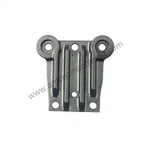
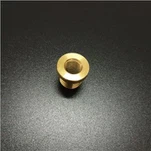
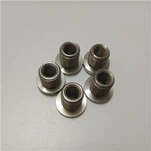
Precision machining is used to create complex mechanical parts with a high degree of accuracy and precision. The process of machining contains several steps that must be carefully followed to ensure that the final product produced meets the requirements. In this article, we will discuss the sequence of steps involved in precision machining.
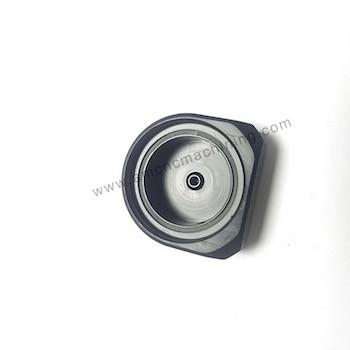
The design phase is the first part of precision machining. In this phase, engineers and designers create a detailed blueprint or 3D CAD model of the part to be machined. This design drawing includes all the dimensions, tolerances and surface finishes required for the part.
The next step in the completion of the design phase is the selection of the appropriate material for this product. The material selection should be of high quality and must meet the required physical and chemical properties. Common materials used in precision machining include aluminum, steel, titanium, and various types of plastics.
After completing the material selection step, the next step in precision machining is to use a cutting tool such as a drill or saw to create a rough shape of the part. This process is called roughing and is designed to remove excess material from the part.
Once the rough machining is complete it is time to use precision cutting tools such as lathes, mills and grinders. This is used to refine the shape of the part and is called finishing. This step is for the part to achieve the required dimensional accuracy, smoothness and surface quality.
After finishing, the next step is to add any necessary threads, grooves, or other features to the part using specialized cutting tools to add functionality to the part.
The final step in precision machining is to inspect the part with a variety of measuring tools such as micrometers, calipers and surface profilers to check that the part meets the required specifications. This step is critical, as any errors or deviations from the required tolerances may cause the part to fail to function as intended.
Precision machining is a highly intricate process, and each step involved must be taken carefully to ensure that the final product meets the required specifications and functions as intended. By following these steps, manufacturers can produce high-quality mechanical components that meet the needs of a wide range of industries.