

Precision mechanical parts are an essential part of a wide variety of machines and equipment. They are designed to perform critical functions with a high degree of accuracy and consistency. The production of these parts requires a series of machining sequences to achieve the required level of precision.
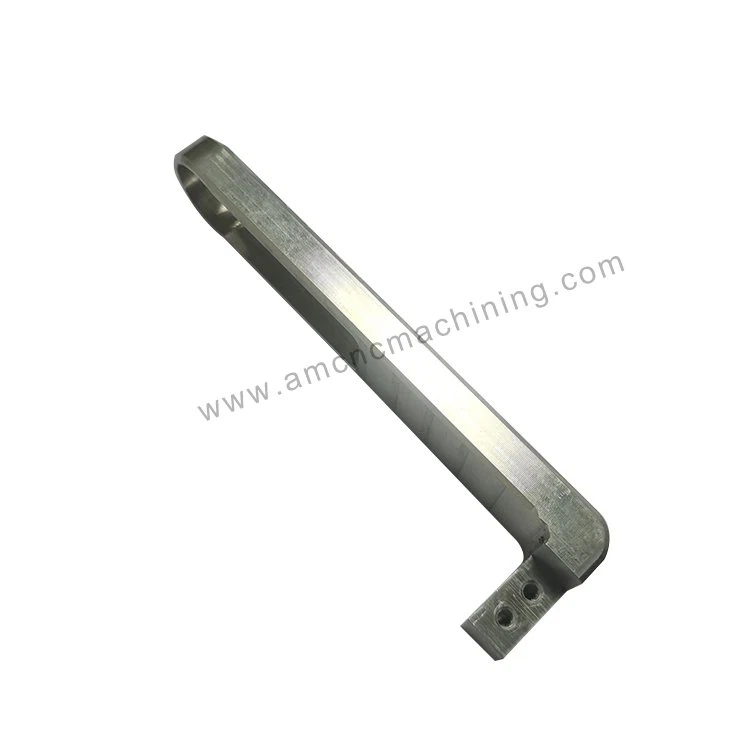
The first step in the production of precision mechanical parts is the design process. The design of the part is created using computer CAD software, which allows the engineer to create a detailed 3D image of the part. Once the design is complete, the manufacturing phase can begin.
The second step is the selection of materials. To ensure the highest level of precision, high-quality materials with excellent mechanical properties are selected. Materials typically used for precision parts are metals such as steel, aluminum and titanium, as well as ceramics and composites.
This is followed by the use of various cutting tools to cut the material to the desired size. Cutting tools for precision machinery include saws, milling machines and lathes. The cutting process is a critical step in the production of precision machine parts. The correct cutting parameters, such as speed, feed rate and depth of cut, must be carefully controlled to ensure that the desired level of accuracy is achieved.
The part is then subjected to various finishing processes. Among these processes are polishing, grinding and honing to ensure a clean, flawless surface. The finishing processes play an important role in ensuring that the dimensions of the part remain accurate and that the surface finish meets the required specifications.
Finally, the parts are assembled and final adjustments are made, a step to ensure that the parts function properly. The assembly process involves joining the precision parts to other components to create a fully functional machine or device.
In summary, precision machine parts go through several machining sequences, and these processes include design, material selection, cutting, finishing, and assembly. The manufacturing process requires skilled professionals, advanced equipment and strict quality control to ensure that the desired level of accuracy is achieved. Precision machined parts are critical components in a variety of critical applications, including aerospace, medical devices and manufacturing equipment, where accuracy and consistency are essential.


