

As a supplier of Aluminium Turned Parts, I've been in the game for quite a while, and I know firsthand how crucial it is to keep production costs down. In today's competitive market, every penny saved can make a huge difference in your bottom line. So, I'm gonna share some tips and tricks on how to reduce the production cost of aluminium turned parts.
1. Material Selection
The first step in reducing production costs is to choose the right material. Aluminium comes in various grades, each with its own properties and price points. When selecting aluminium for your turned parts, you need to consider factors like strength, corrosion resistance, and machinability.
Some grades of aluminium are more expensive than others, but that doesn't always mean they're the best choice for your application. For example, if your parts don't require high strength, you can opt for a lower-grade aluminium that's more affordable. This can significantly reduce your material costs without sacrificing quality.
Another thing to consider is the source of your aluminium. Buying from a reliable supplier can ensure you get high-quality material at a reasonable price. Look for suppliers who offer competitive pricing and have a good reputation in the industry.
2. Optimize Design
The design of your aluminium turned parts can have a big impact on production costs. A well-designed part can be machined more efficiently, reducing the amount of time and material required.
One way to optimize your design is to simplify the geometry of your parts. Complex shapes and features can increase machining time and tool wear, which in turn drives up costs. Try to use standard shapes and sizes whenever possible, and avoid unnecessary details.
You can also consider using modular designs. This allows you to reuse components across different parts, reducing the need for custom machining. Modular designs can also make it easier to assemble and disassemble your parts, which can save time and labor costs.
3. Improve Machining Efficiency
Machining is one of the most significant cost factors in the production of aluminium turned parts. By improving machining efficiency, you can reduce the time and energy required to produce each part.
One way to improve machining efficiency is to use the right tools. High-quality cutting tools can last longer and cut more efficiently, reducing the need for frequent tool changes. Make sure to choose tools that are specifically designed for aluminium machining, as they can provide better performance and longer tool life.
Another way to improve machining efficiency is to optimize your machining parameters. This includes factors like cutting speed, feed rate, and depth of cut. By adjusting these parameters, you can find the optimal balance between machining time and tool wear. You can also use advanced machining techniques like high-speed machining and multi-axis machining to increase productivity.
4. Reduce Scrap and Rework
Scrap and rework can significantly increase production costs. By reducing the amount of scrap and rework, you can save both time and material.
One way to reduce scrap is to implement quality control measures throughout the production process. This includes inspecting raw materials, monitoring machining operations, and conducting final inspections of finished parts. By catching defects early, you can prevent them from becoming costly problems later on.
You can also reduce scrap by improving your machining processes. This includes using proper fixturing and clamping techniques to ensure parts are held securely during machining. You can also use coolant and lubricants to reduce heat and friction, which can prevent tool wear and improve surface finish.
5. Streamline Production Processes
Streamlining your production processes can help you reduce costs by eliminating waste and improving efficiency. This includes everything from inventory management to production scheduling.

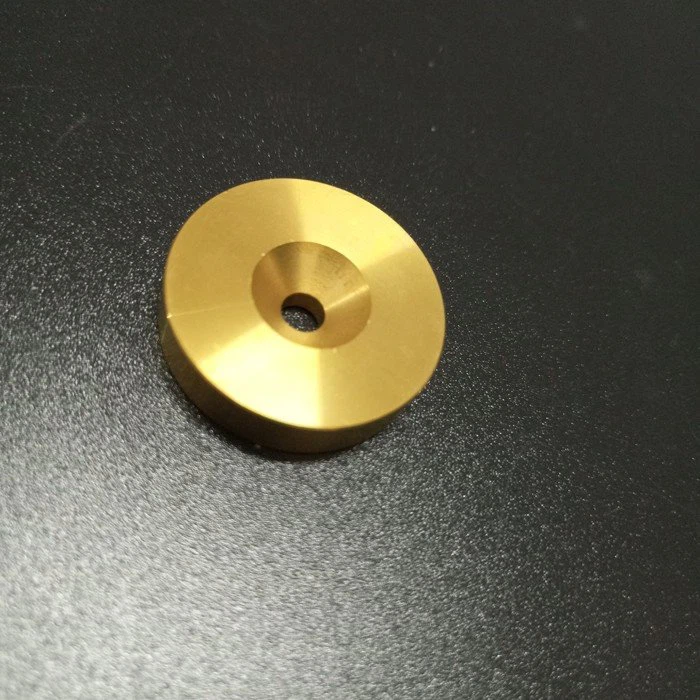
One way to streamline your production processes is to implement a lean manufacturing system. Lean manufacturing focuses on eliminating waste and improving value for the customer. By identifying and eliminating non-value-added activities, you can reduce production time and costs.
You can also use technology to streamline your production processes. For example, you can use computer-aided manufacturing (CAM) software to automate your machining operations. This can reduce the need for manual programming and increase the accuracy and efficiency of your machining processes.
6. Collaborate with Suppliers
Collaborating with your suppliers can be a great way to reduce production costs. By working closely with your suppliers, you can negotiate better pricing, improve quality, and reduce lead times.
One way to collaborate with your suppliers is to establish long-term partnerships. This can give you more leverage in negotiations and allow you to work together to find cost-saving solutions. You can also share your production plans and forecasts with your suppliers, which can help them better plan their inventory and production schedules.
Another way to collaborate with your suppliers is to participate in joint development projects. This can allow you to work together to develop new materials, processes, or products. By sharing the costs and risks of development, you can reduce your overall production costs and gain a competitive advantage.
7. Train Your Staff
Your staff plays a crucial role in the production of aluminium turned parts. By training your staff, you can improve their skills and knowledge, which can lead to increased productivity and reduced costs.
One way to train your staff is to provide them with regular training on machining techniques, quality control, and safety procedures. This can help them stay up-to-date with the latest industry trends and best practices. You can also provide on-the-job training and coaching to help your staff develop their skills and confidence.
Another way to train your staff is to encourage them to participate in industry events and conferences. This can allow them to network with other professionals in the industry and learn about new technologies and processes. You can also offer incentives for your staff to pursue further education and training, such as certifications or degrees.
Conclusion
Reducing the production cost of aluminium turned parts requires a comprehensive approach that addresses all aspects of the production process. By following the tips and tricks outlined in this blog, you can optimize your material selection, design, machining processes, and production management to reduce costs and improve your bottom line.
If you're interested in learning more about our CNC Precision Turning Components, Aluminum Precision Turned Components, or CNC Milling and Turning Services, please don't hesitate to contact us. We'd be happy to discuss your specific needs and provide you with a customized solution.
References
- Smith, J. (2020). Cost Reduction Strategies in Manufacturing. Manufacturing Journal, 15(2), 45-52.
- Johnson, R. (2019). Optimizing Machining Processes for Aluminium Parts. Machining Technology, 22(3), 67-74.
- Brown, A. (2018). Design for Manufacturing: A Guide to Reducing Costs. Design Magazine, 10(4), 32-39.


