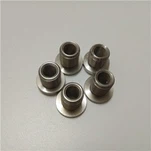
What is CNC Precision Turning Components
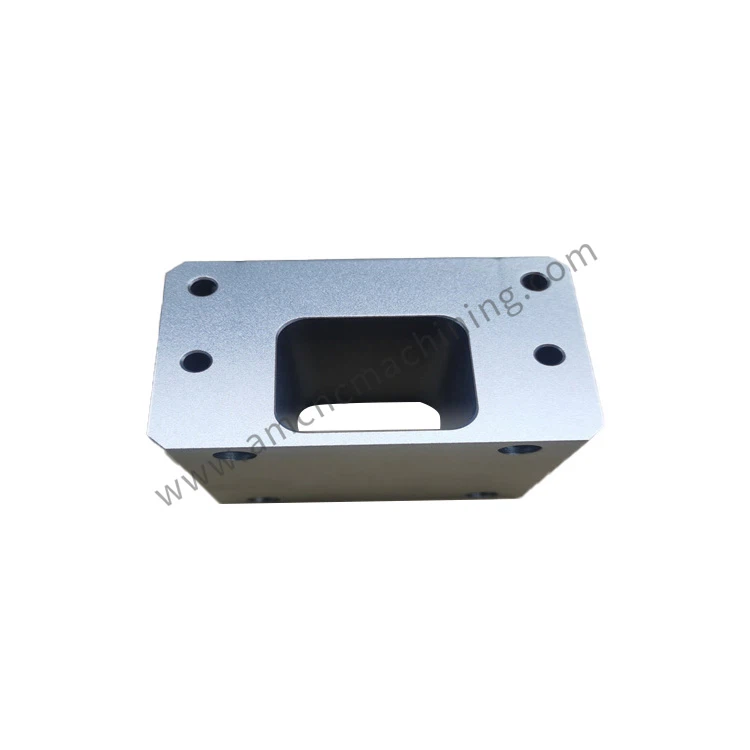
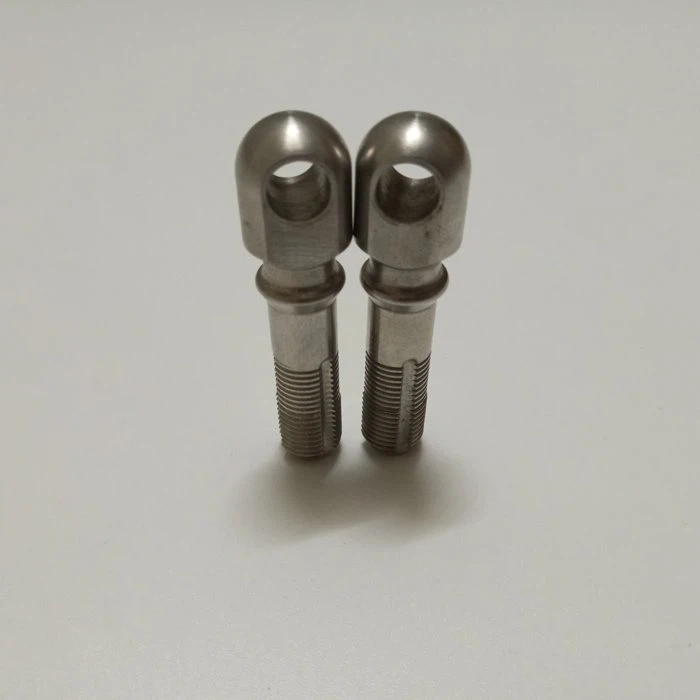
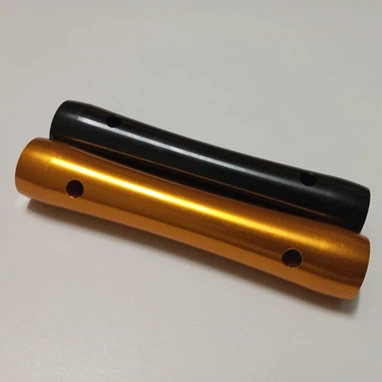
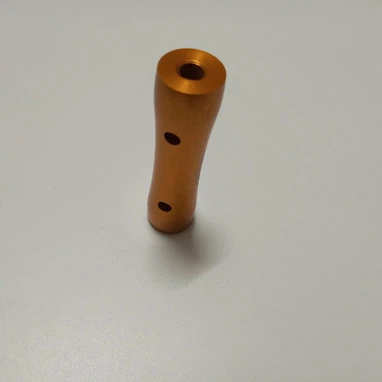
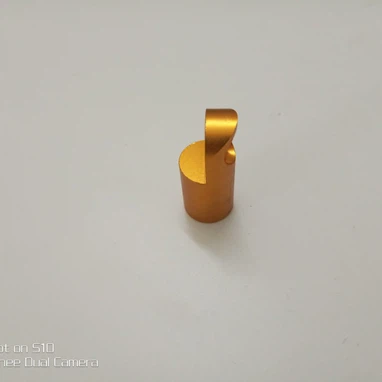
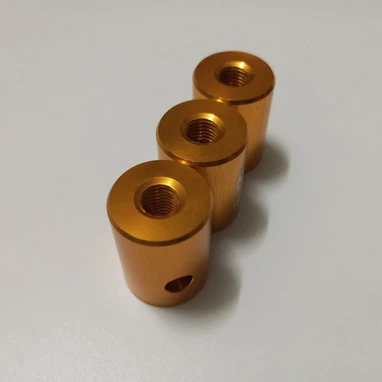
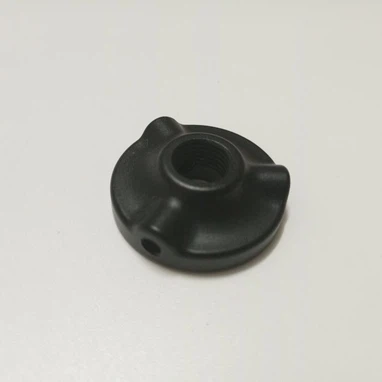
CNC precision turning components refer to intricately manufactured parts produced through computer numerical control (cnc) machining processes. In this advanced manufacturing technique, automated machinery precisely shapes and cuts raw materials, such as metal or plastic, to create highly accurate and finely detailed components. Cnc precision turning is particularly valued for its ability to achieve tight tolerances and intricate designs, making it a key technology in various industries, including aerospace, automotive, and electronics.
Advantages of CNC Precision Turning Components
High precision and accuracy
Cnc precision turning ensures exceptional accuracy and precision in the production of components. The automated nature of cnc machines allows for tight tolerances and intricate designs, resulting in parts with consistent quality and minimal variations.
Increased efficiency and productivity
Cnc turning processes are highly efficient, as they can run continuously with minimal human intervention. The automation of the machining process leads to faster production cycles and reduced lead times.
Versatility in material compatibility
Cnc precision turning can accommodate a wide range of materials, including metals, plastics, and composites. This versatility enables manufacturers to produce components for diverse industries, from aerospace to medical devices.
Cost-effectiveness in large-scale production
While initial setup costs for cnc machines may be relatively high, they are often outweighed by the cost-effectiveness in large-scale production. Once programmed, cnc machines can consistently produce identical components, reducing the risk of errors and minimizing material wastage.


why choose us
High quality
Our products are manufactured or executed to very high standards, using the finest materials and manufacturing processes.
Rich experience
Dedicated to strict quality control and attentive customer service, our experienced staff is always available to discuss your requirements and ensure complete customer satisfaction.
Quality control
We have professional personnel to monitor the production process, inspect the products and ensure that the final product meets the required quality level standards, guidelines and specifications.
24h online service
We try and respond to all concerns within 24 hours and our teams are always at your disposal in case of any emergencies.
Types of CNC Precision Turning Components
Shafts and axles
Cnc precision turning is commonly used to manufacture shafts and axles with precise dimensions and tolerances. These components are crucial in various applications, such as automotive systems, machinery, and rotating equipment.
Bushings and bearings
Cnc turning is employed to create bushings and bearings used in mechanical assemblies. These components play a vital role in reducing friction and wear between moving parts, ensuring smooth operation in applications like engines, gears, and industrial machinery.
Fasteners and screws
Cnc precision turning is widely utilized in the production of fasteners, such as screws and bolts. The high precision and consistency achieved through cnc machining ensure that these components meet strict quality standards and perform reliably in diverse applications.
Connectors and couplings
Cnc turning is employed to manufacture connectors and couplings that facilitate the assembly and interconnection of various parts in electronic, automotive, and aerospace systems. These components are crucial for ensuring secure and efficient connections.
Pins and dowels
Precision turned pins and dowels are essential components in many mechanical and structural applications. Cnc machining allows for the production of these components with accurate dimensions and smooth surfaces, ensuring proper alignment and fit.
Valve components
Cnc precision turning is often used to create components for valves, including valve stems and bodies. These precision-machined parts are critical for controlling the flow of liquids and gases in industries such as oil and gas, chemical processing, and water management.
Threaded components
Cnc turning is well-suited for producing threaded components like nuts and bolts. The threading process is precisely controlled, ensuring the compatibility and functionality of these components in various mechanical and structural applications.
Electronic components
Cnc precision turning is employed to manufacture various electronic components, such as connector pins, housings, and sockets. The high precision and repeatability of cnc machining are crucial for meeting the exacting standards of the electronics industry.
Raw materials
The process begins with raw materials, such as metal bars, rods, or plastic blanks. These materials are loaded into the cnc lathe or turning center for machining.
Workpiece
The raw material is shaped into a workpiece during cnc precision turning. The workpiece is the part that undergoes the machining process to create the final component.
Chuck or collet
The chuck or collet is the component that holds and secures the raw material (workpiece) in place during the turning process. It provides stability and allows for precise machining.
Cutting tool
The cutting tool is a crucial element that comes into contact with the workpiece, removing material to shape it as per the design. These tools can include inserts, drills, and other cutting implements.
Tool holder
The tool holder is a part of the cnc machine that secures the cutting tool in place. It ensures the tool is properly aligned and rigid during the machining process.
Tailstock
In some cnc turning setups, a tailstock is used to provide additional support to the workpiece, especially for longer components. It helps prevent deflection and ensures accuracy during machining.
Guideways or slides
Cnc precision turning machines have guideways or slides that allow for the controlled movement of the cutting tool along the workpiece. These components contribute to the precision and accuracy of the machining process.
Spindle
The spindle is a rotating component that holds the chuck or collet and enables the turning of the workpiece. It is a critical part of the cnc machine, responsible for the rotational movement necessary for machining.
Controller
The cnc controller is the brain of the system. It interprets the programmed instructions and controls the movement of the cutting tool, the rotation of the spindle, and other parameters to achieve the desired shape and dimensions.
Coolant system
Many cnc precision turning processes use a coolant system to dissipate heat generated during machining. This system helps prevent overheating and ensures the longevity of cutting tools.
Chip conveyor
Chips and swarf produced during machining need to be efficiently removed from the work area. A chip conveyor is often used to collect and dispose of these waste materials.
How to Improve the Efficiency of the CNC Precision Turning Components
Optimize cutting parameters
Fine-tune cutting parameters such as cutting speed, feed rate, and depth of cut. Conduct thorough testing to identify the optimal settings that balance material removal rates with tool life. Optimization can significantly improve efficiency by reducing cycle times.
Utilize high-quality cutting tools
Invest in high-quality cutting tools with durable materials and coatings. Premium tools often have longer tool life, reducing the frequency of tool changes and downtime. Proper tool selection can improve both efficiency and the overall cost-effectiveness of the machining process.
Implement high-speed machining (hsm) techniques
High-speed machining techniques involve higher cutting speeds and feeds, minimizing machining time. Ensure that your cnc machine and cutting tools are compatible with hsm strategies. This approach is particularly effective for materials that can withstand higher cutting speeds.
Implement toolpath optimization
Utilize cam (computer-aided manufacturing) software to optimize toolpaths. Efficient toolpaths reduce non-cutting time and can minimize tool wear. Consider adaptive toolpath strategies that adapt to the geometry of the part and maintain a consistent load on the cutting tool.
Use advanced cnc controllers
Upgrade to modern cnc controllers with advanced features and capabilities. Newer controllers often have improved algorithms for motion control and toolpath optimization, contributing to smoother and more efficient machining operations.
Employ multi-axis machining
If applicable to your components, consider incorporating multi-axis machining capabilities. Multi-axis machines allow for simultaneous tool movement along multiple axes, enabling more complex and efficient machining of intricate parts in a single setup.
Implement in-process monitoring
Utilize in-process monitoring systems to detect tool wear, tool breakage, or other issues during machining. Real-time monitoring can help prevent costly errors and downtime, ensuring continuous efficiency in the production process.
Automate tool changes
If your cnc machine supports it, implement automatic tool changers to reduce downtime associated with manual tool changes. This allows for a seamless transition between different machining operations and tool types.
Invest in workholding solutions
Optimize workholding systems to secure the workpiece effectively. Proper workholding reduces vibration, improves surface finish, and enhances overall machining efficiency. Consider custom fixtures for specific component geometries.
Regular machine maintenance
Implement a proactive maintenance schedule for your cnc machine. Regularly inspect and maintain components such as ball screws, guideways, and bearings. Well-maintained machines operate more reliably, minimizing unplanned downtime.
Future Trend of CNC Precision Turning Components
Advanced materials processing
There's an ongoing trend towards the use of advanced materials, such as superalloys, composites, and high-performance plastics in various industries. Cnc precision turning components are expected to evolve to meet the challenges posed by these materials, requiring enhanced tooling, cutting strategies, and machine capabilities.
Integration of industry 4.0 technologies
The integration of industry 4.0 concepts and technologies, including the internet of things (iot), data analytics, and connectivity, is likely to impact cnc precision turning. Smart machining systems that can monitor, analyze, and optimize the production process in real-time are expected to become more prevalent.
Increased automation and robotics
The trend towards greater automation in manufacturing processes is expected to continue. This includes the use of robotic systems for tasks such as material handling, tool changing, and part inspection. Automation not only improves efficiency but also addresses labor shortages.
Precision and miniaturization
As industries demand smaller and more precise components, cnc precision turning is likely to evolve to meet these requirements. Advancements in micro-machining and the ability to produce intricate and tiny components with high precision are anticipated.
Additive manufacturing integration
The integration of additive manufacturing (3d printing) with traditional cnc machining processes is an area of interest. This combination allows for the production of complex geometries with improved efficiency, especially in cases where traditional subtractive methods may be challenging.
Smart tooling and cutting technologies
Innovations in tooling technologies are expected to continue, with a focus on smart tools equipped with sensors for real-time monitoring of cutting conditions. This can lead to more efficient tool wear management, reduced downtime, and improved overall machining performance.
Customization and prototyping
The demand for customized and prototype components is growing. Cnc precision turning is likely to see increased use in the production of low-volume, high-precision parts, catering to industries where customization and rapid prototyping are essential.
Environmental sustainability
Sustainable manufacturing practices and considerations are becoming more important. Cnc precision turning processes may incorporate eco-friendly practices, such as optimized toolpath strategies to minimize material waste and energy consumption.
Simulation and virtual prototyping
The use of advanced simulation tools for virtual prototyping and testing of machining processes is expected to increase. This helps in optimizing toolpaths, reducing errors, and improving overall efficiency before physical production begins.
The Production Process of CNC Precision Turning Components
The process begins with the design of the component using computer-aided design (cad) software. Once the design is complete, the cnc program is generated using computer-aided manufacturing (cam) software. The cnc program includes the instructions for toolpaths, speeds, feeds, and other machining parameters.
Choose the appropriate raw material based on the component's design specifications. Common materials include metals (such as aluminum, steel, or titanium) or plastics. Ensure that the raw material is prepared in the form of bars, rods, or billets suitable for loading into the cnc turning machine.
Secure the raw material (workpiece) in the cnc turning machine's chuck or collet. Proper alignment and secure clamping are essential to ensure accurate machining.
Install the cutting tools into the tool holders and secure them in the tool turret or toolpost. The choice of cutting tools depends on the material, design, and required tolerances of the component.
The cnc machine executes the programmed instructions to perform precision turning operations on the workpiece. This involves the rotation of the workpiece and the controlled movement of the cutting tool along the material to remove excess material and shape it according to the design.
In the case of complex components requiring different tools or cutting operations, the cnc machine may automatically change tools based on the programmed instructions. This minimizes downtime and allows for a seamless transition between machining operations.
Periodic inspections are conducted during the machining process to ensure that the dimensions and surface finish meet the specified requirements. Advanced cnc machines may include in-process measurement systems to monitor and adjust machining parameters in real-time.
Coolant is often used during machining to dissipate heat and lubricate the cutting tool. A chip conveyor or other chip management systems remove chips and swarf generated during machining to maintain a clean work environment.
After the primary turning operations, additional processes such as threading, grooving, or parting may be performed. Secondary operations, including milling or drilling, may also be carried out on the same cnc turning machine or on complementary equipment.
The finished components undergo thorough quality checks to ensure they meet the specified tolerances and quality standards. This may involve dimensional inspections, surface finish assessments, and other quality control measures.
Remove any sharp edges or burrs created during machining, and apply surface treatments if required. Surface treatments may include coatings, plating, or other processes to enhance the component's properties.
Once the components pass quality control, they are packaged and prepared for shipping to the end user or the next stage in the manufacturing process.
Application of CNC Precision Turning Components
Cnc precision turning components are extensively used in the automotive sector for manufacturing engine components, transmission parts, shafts, axles, and various other critical components. The high precision and consistency provided by cnc turning contribute to the efficiency and reliability of automotive systems.
The aerospace industry relies on cnc precision turning for the production of intricate components such as turbine blades, aircraft landing gear parts, and aerospace fasteners. The precision and high-quality surface finishes achieved through cnc machining are crucial for meeting stringent aerospace standards.
In the medical industry, cnc precision turning is used to manufacture components for medical devices such as surgical instruments, orthopedic implants, and diagnostic equipment. The precision and customization capabilities of cnc turning are essential for meeting the specific requirements of medical applications.
Cnc turning is employed in the production of components for electronic devices and semiconductor equipment. This includes connectors, housings, and various small, precision parts used in electronic assemblies.
Components for the oil and gas sector, including valves, fittings, and drilling equipment, often undergo cnc precision turning. The ability to work with materials like stainless steel and alloys makes cnc turning suitable for applications in harsh and demanding environments.
Cnc precision turning is widely used in the manufacturing of industrial machinery components, including gears, bushings, and couplings. These components play crucial roles in the functioning of various machinery across different industries.
Components used in defense and military equipment, such as firearms, missile systems, and military vehicles, often undergo cnc precision turning. The precision and reliability of cnc machining are critical in these applications.
Cnc precision turning is applied in the production of components for telecommunications equipment, including connectors, antenna components, and other precision parts used in communication devices.
Components used in power generation and energy systems, such as turbines, generator parts, and components for renewable energy systems, are often produced using cnc precision turning.
Various consumer goods, from household appliances to sporting equipment, may incorporate components produced through cnc precision turning. This includes components like knobs, handles, and custom parts for diverse consumer products.
The versatility of cnc precision turning allows it to be applied across industries where high precision, repeatability, and efficiency are essential for the production of quality components. As technology continues to advance, the applications of cnc precision turning components are likely to expand further into new and innovative areas.
What You Should Know When Use CNC Precision Turning Components
Design specifications
Understand and adhere to the design specifications of the cnc precision turning components. This includes dimensional tolerances, surface finish requirements, and other specifications outlined in the design and engineering documentation.
Material selection
Choose the appropriate material for the cnc precision turning components based on the specific application requirements. Different materials have varying machining characteristics, and selecting the right material is crucial for achieving desired performance and longevity.
Tool selection and maintenance
Select high-quality cutting tools appropriate for the material being machined. Regularly inspect and maintain cutting tools to ensure they are sharp and in good condition. Proper tool maintenance contributes to consistent and efficient machining.
Programming and cnc code
Ensure that the cnc program is well-written and optimized for the specific machining operations. Verify the cnc code to avoid errors that could lead to issues during production. Properly simulate and test programs before running them on the cnc machine.
Workholding and fixturing
Use secure and appropriate workholding methods to ensure the stability and accuracy of the workpiece during machining. Proper fixturing helps prevent vibrations, distortions, and inaccuracies that may arise during the turning process.
Coolant and lubrication
Implement effective coolant and lubrication systems to dissipate heat and reduce friction during machining. Proper lubrication extends tool life, enhances surface finish, and contributes to the overall efficiency of the cnc precision turning process.
Toolpath optimization
Optimize toolpaths using cam software to minimize non-cutting time, reduce tool wear, and enhance overall efficiency. Consider adaptive toolpath strategies that adapt to the geometry of the component, optimizing the cutting process.
In-process inspection
Incorporate in-process inspection methods to monitor and verify the quality of the machined components during production. Real-time inspection can help identify issues early, ensuring that the final components meet the required specifications.
Quality control and testing
Conduct thorough quality control inspections on finished cnc precision turning components. This may include dimensional measurements, surface finish assessments, and other relevant tests to ensure the components meet the specified standards.
Safety measures
Follow all safety protocols and guidelines when operating cnc turning machines. This includes wearing appropriate personal protective equipment, ensuring proper machine guarding, and adhering to safety procedures to prevent accidents and injuries.
Environmental considerations
Be mindful of environmental impacts, especially when working with certain materials or using cutting fluids. Follow proper disposal and recycling practices to minimize the environmental footprint of the cnc precision turning process.
Training and skill development
Ensure that operators and programmers are adequately trained and possess the necessary skills to operate cnc turning machines effectively. Continuous training and skill development contribute to the overall efficiency and safety of the machining process.
How to Maintain CNC Precision Turning Components


Regular machine inspections:Conduct routine visual inspections of the cnc turning machine to identify any signs of wear, damage, or misalignment. Check for loose bolts, damaged components, and ensure proper alignment of guideways and slides.
Lubrication:Implement a regular lubrication schedule for all moving parts, such as ball screws, bearings, and guideways. Follow the manufacturer's recommendations for lubricant types and intervals. Proper lubrication reduces friction, prevents wear, and contributes to the overall efficiency of the machine.
Coolant system maintenance:If the cnc turning machine uses a coolant system, regularly inspect and maintain it. Clean or replace filters, check for coolant leaks, and ensure that the coolant concentration is within the recommended levels. Proper coolant maintenance helps dissipate heat and improves tool life.
Check and replace cutting tools:Monitor the condition of cutting tools and replace them as needed. Worn or damaged tools can lead to poor surface finishes, increased tool wear, and longer machining times. Regularly inspect tool inserts, tool holders, and tool changers.
Calibration and accuracy checks:Periodically calibrate the cnc machine to ensure its accuracy. Verify the machine's positioning and repeatability through calibration checks. If deviations are detected, take corrective measures to bring the machine back to the specified accuracy.
Spindle maintenance:Inspect the spindle for any signs of wear, damage, or abnormal noise. Check for proper alignment and runout. If needed, clean or replace spindle bearings and perform any recommended maintenance tasks according to the manufacturer's guidelines.
Check and clean way covers:Inspect way covers and bellows regularly to ensure they are free from chips, debris, and coolant. Clean and replace damaged way covers to prevent contaminants from entering critical machine components.
Backlash adjustment:Periodically check and adjust the backlash in the cnc turning machine. Backlash can affect the accuracy of machined components. Follow the manufacturer's guidelines for adjusting and maintaining backlash within acceptable limits.
Inspect and maintain electrical components:Regularly check electrical components, such as wiring, connectors, and control panels, for signs of wear, damage, or loose connections. Ensure that electrical systems are clean, well-organized, and properly grounded.
Backup cnc programs and parameters:Regularly back up cnc programs, machine parameters, and settings. This ensures that valuable data is preserved in case of unexpected events, such as a machine failure or controller malfunction.
By implementing a proactive and systematic maintenance approach, cnc precision turning components can operate at their best, delivering accurate and efficient machining results over an extended lifespan. Regular maintenance also helps prevent unexpected breakdowns and reduces the likelihood of costly repairs.
How Does CNC Precision Turning Differ From Traditional Machining Methods

Automation
Cnc precision turning: It involves the use of computer numerical control (cnc) machines that are programmed to control the movement of the cutting tool with high precision. Automation allows for greater consistency and repeatability in the machining process.
Traditional machining: In traditional machining, manual operation of machines, such as lathes, milling machines, and drills, is common. The operator manually guides the tool, and the process relies heavily on the skill and experience of the operator.
Programming
Cnc precision turning: Cnc machines are programmed using computer-aided design (cad) and computer-aided manufacturing (cam) software. The cnc code contains instructions for tool movements, speeds, and other machining parameters.
Traditional machining: Programming is not as automated. Machinists manually set up and adjust machines, relying on their experience and knowledge of machining principles.
Precision and accuracy
Cnc precision turning: Offers higher precision and accuracy due to the computer-controlled nature of the machining process. Tight tolerances can be consistently achieved, making it suitable for high-precision applications.
Traditional machining: While skilled operators can achieve high precision, the level of consistency may vary. It is generally more dependent on the operator's expertise and manual control.
Complexity and versatility
Cnc precision turning: Well-suited for complex geometries and intricate designs. The versatility of cnc machines allows for the production of a wide range of components with varying shapes and sizes.
Traditional machining: Limited in terms of complexity and versatility. Achieving intricate shapes may require specialized tools and extensive manual labor.
Production efficiency
Cnc precision turning: Generally offers higher production efficiency, especially for large-scale or repetitive manufacturing. Cnc machines can operate continuously with minimal human intervention.
Traditional machining: May involve slower production rates and increased setup times as compared to cnc machining. It may be more suitable for low-volume or one-off production.
Consistency and reproducibility
Cnc precision turning: Provides consistent and reproducible results. Once a cnc program is established, the same machining process can be repeated with high accuracy.
Traditional machining: Reproducibility may vary, as it is influenced by the operator's skill, experience, and setup variations.

Setup time
CNC precision turning: Setup times are generally longer initially, as it involves programming the cnc machine. However, for batch production, once set up, subsequent runs can be more efficient.
Traditional machining: Setup times may be shorter for simple setups, but it can be time-consuming for more complex components. Each setup may require manual adjustments.
Our Factory
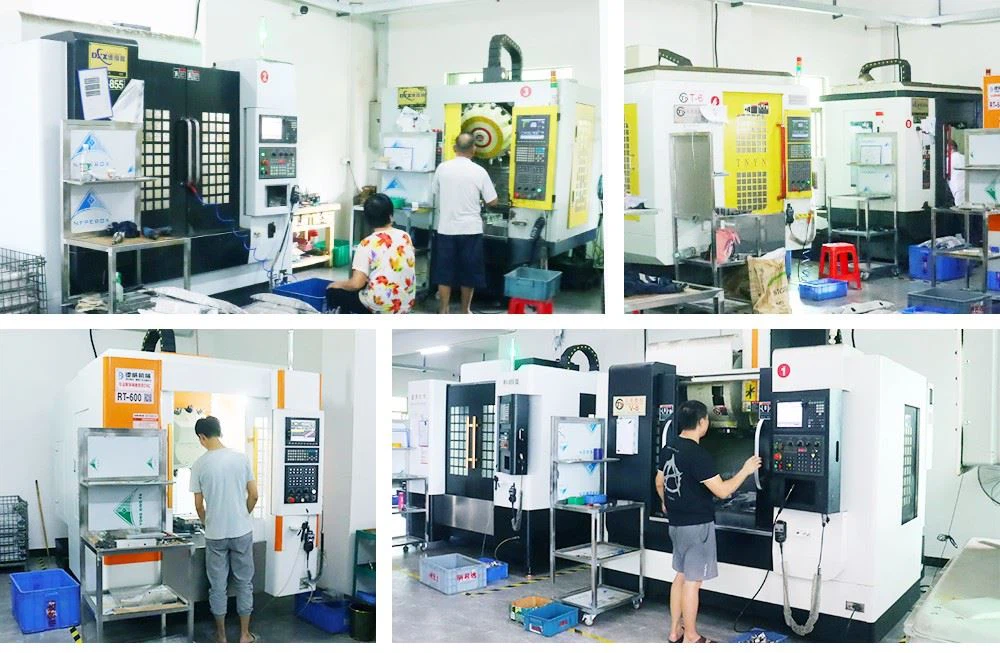
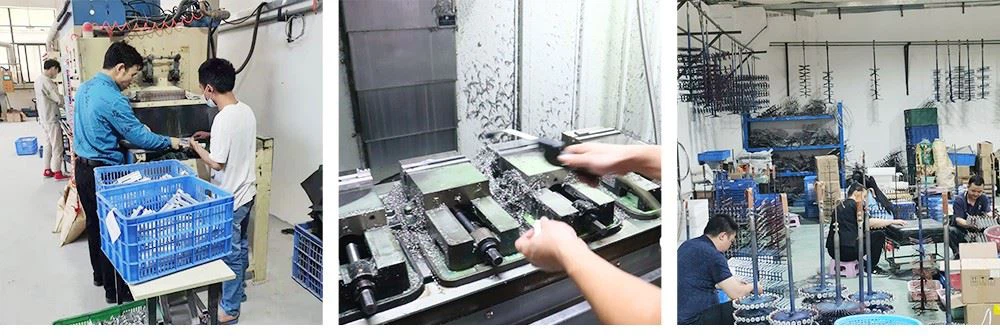
We were established in 2012. We specialize in manufacturing various metal parts according to customer requirements. Over the years, we have grown into a manufacturer of spare parts and metal parts, which are used in automobiles, furniture, electrical equipment, medical treatment, sanitary ware and construction.

FAQ
Q: What is cnc precision turning?
Q: How does cnc precision turning differ from traditional machining methods?
Q: What industries commonly use cnc precision turning components?
Q: Can you explain the key components of a cnc precision turning machine?
Q: What materials are commonly used in cnc precision turning?
Q: How are cutting tools selected for cnc precision turning?
Q: What role does cad/cam software play in cnc precision turning?
Q: How does cnc precision turning contribute to high-precision manufacturing?
Q: What are the advantages of using cnc precision turning in mass production?
Q: Can you describe the steps involved in the production process of cnc precision turning components?
Q: How is toolpath optimization achieved in cnc precision turning?
Q: What are some common challenges faced in cnc precision turning processes?
Q: How does cnc precision turning contribute to the production of small, intricate components?
Q: In what ways does cnc precision turning enhance efficiency and productivity?
Q: What safety considerations should be taken into account when operating cnc precision turning machines?
Q: How does cnc precision turning contribute to the trend of industry 4.0 and smart manufacturing?
Q: What role does automation play in cnc precision turning processes?
Q: How do advancements in cutting tool technology impact cnc precision turning?
Q: Can cnc precision turning be integrated with other manufacturing processes, such as additive manufacturing?
Q: What environmental considerations should be addressed when using cnc precision turning components?
Hot Tags: cnc precision turning components, China cnc precision turning components manufacturers, suppliers, factory, CNC Milling Component suppliers, Aluminum For CNC Milling, CNC Parts Milling Aluminum, fast prototyping cnc machining, precision cnc machined components, CNC Milling And Turning Services