

In the world of manufacturing, CNC turning parts are integral components used across various industries, from automotive to aerospace, electronics to medical devices. As a supplier of CNC turning parts, I understand the critical importance of roundness in these components. Roundness is not just a geometric feature; it is a key determinant of the functionality, performance, and reliability of the final product. In this blog post, I will delve into the standards for the roundness of CNC turning parts, exploring why they matter and how we ensure compliance in our manufacturing processes.
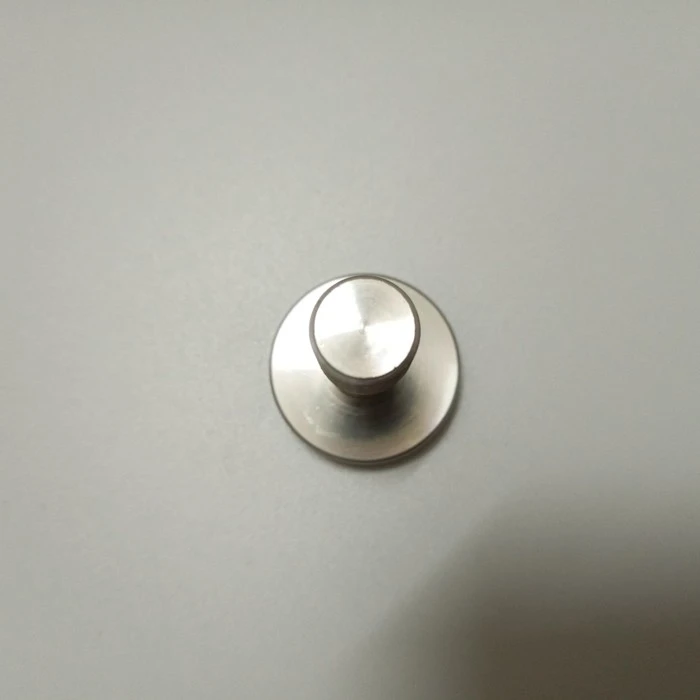

Understanding Roundness in CNC Turning Parts
Roundness refers to the degree to which a cross - section of a cylindrical part conforms to a perfect circle. In the context of CNC turning, a process where a cutting tool removes material from a rotating workpiece to create a cylindrical shape, achieving the right roundness is essential. Even the slightest deviation from a perfect circle can lead to problems such as uneven wear, increased friction, and reduced efficiency in the assembled product.
Importance of Roundness Standards
- Functionality: Many CNC turning parts are used in applications where precise circularity is crucial. For example, in engines, pistons need to fit snugly into cylinders. If the piston is not perfectly round, it can cause leaks, reduced compression, and ultimately, engine failure. Similarly, bearings rely on round components for smooth rotation. Any roundness error can lead to noise, vibration, and premature wear.
- Interchangeability: In mass production, parts need to be interchangeable. This means that every part of the same specification should fit and function correctly when assembled. Roundness standards ensure that parts meet the required tolerances, allowing for seamless integration into larger systems.
- Quality Assurance: Adhering to roundness standards is a fundamental aspect of quality control. It helps in identifying manufacturing defects early in the process, reducing waste and rework. By maintaining high roundness standards, we can provide our customers with parts that meet or exceed their expectations.
International Standards for Roundness
- ISO 1101: The International Organization for Standardization (ISO) has developed a comprehensive standard, ISO 1101, which defines geometric tolerances, including roundness. This standard provides guidelines on how to specify and measure roundness tolerances. It uses a system of symbols and values to communicate the required level of accuracy. For example, a roundness tolerance might be specified as a maximum deviation from the ideal circular shape, such as ± 0.005 mm.
- ASME Y14.5: In the United States, the American Society of Mechanical Engineers (ASME) has its own standard, ASME Y14.5. Similar to ISO 1101, it provides rules for dimensioning, tolerancing, and geometric control. When working with international customers, it is important to understand the differences between these two standards, as they can have an impact on the manufacturing process and quality control.
Measuring Roundness
- Roundness Measuring Instruments: There are several types of instruments used to measure roundness. One common method is the use of a roundness tester, which typically consists of a spindle that rotates the part while a probe measures the distance from the center of rotation to the surface of the part. The data collected is then analyzed to determine the roundness error. Another method is coordinate measuring machines (CMMs), which can also measure roundness by taking multiple points on the surface of the part and calculating the deviation from a perfect circle.
- Measurement Techniques: In addition to using the right instruments, proper measurement techniques are crucial. For example, the part needs to be properly mounted to avoid any distortion during measurement. The measurement should be taken at multiple cross - sections along the length of the part to ensure that the roundness is consistent throughout.
Factors Affecting Roundness in CNC Turning
- Machine Accuracy: The accuracy of the CNC turning machine itself plays a significant role in achieving the desired roundness. Factors such as spindle runout, guideway accuracy, and tool - holding stability can all affect the roundness of the finished part. Regular maintenance and calibration of the machine are essential to minimize these errors.
- Cutting Parameters: The choice of cutting parameters, such as cutting speed, feed rate, and depth of cut, can also impact roundness. Incorrect cutting parameters can cause vibrations, chatter, and uneven material removal, leading to roundness errors. Optimizing these parameters based on the material being machined and the part geometry is crucial for achieving high - quality roundness.
- Tool Wear: As the cutting tool wears during the machining process, its ability to produce a round part can be affected. Worn tools can cause irregularities in the surface finish and roundness. Regular tool inspection and replacement are necessary to maintain the desired roundness.
How We Ensure Roundness in Our CNC Turning Parts
As a supplier of CNC Milling and Turning Services, we have a comprehensive quality control system in place to ensure that our CNC Precision Turned Parts meet the required roundness standards.
- Advanced Machinery: We invest in state - of - the - art CNC turning machines that are designed for high precision. These machines are equipped with advanced control systems and high - accuracy spindles, which help in achieving tight roundness tolerances.
- Skilled Operators: Our operators are highly trained and experienced in CNC turning. They understand the importance of roundness and are skilled in setting up the machines, selecting the right cutting parameters, and monitoring the machining process to ensure that the parts meet the required standards.
- Quality Inspection: We have a dedicated quality control department that uses the latest roundness measuring instruments to inspect every part before it leaves our facility. Any parts that do not meet the roundness standards are either re - worked or scrapped, ensuring that only high - quality parts are delivered to our customers.
Conclusion
Roundness is a critical aspect of CNC turning parts, and adhering to the appropriate standards is essential for ensuring the quality, functionality, and reliability of these components. As a supplier of CNC Turning Machining Parts, we are committed to meeting and exceeding the roundness requirements of our customers. By investing in advanced machinery, training our operators, and implementing a rigorous quality control system, we can provide high - precision CNC turning parts that meet the most demanding applications.
If you are in need of high - quality CNC turning parts, we invite you to contact us for a detailed discussion. Our team of experts will be happy to work with you to understand your requirements and provide you with the best solutions.
References
- International Organization for Standardization (ISO). ISO 1101: Geometrical product specifications (GPS) — Geometric tolerancing — Tolerances of form, orientation, location and run - out.
- American Society of Mechanical Engineers (ASME). ASME Y14.5: Dimensioning and Tolerancing.


