What is CNC Aluminium Turned Parts
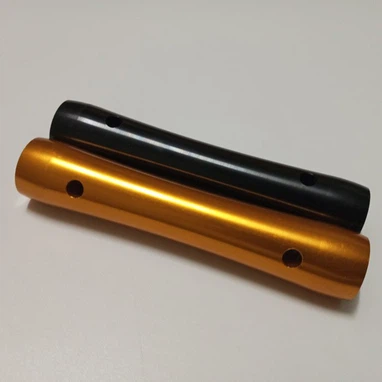
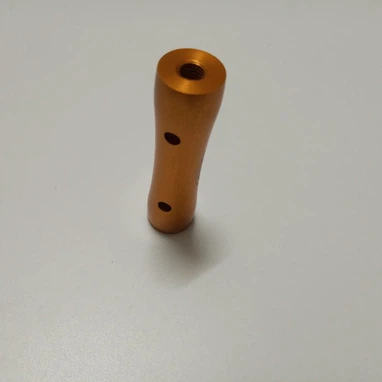
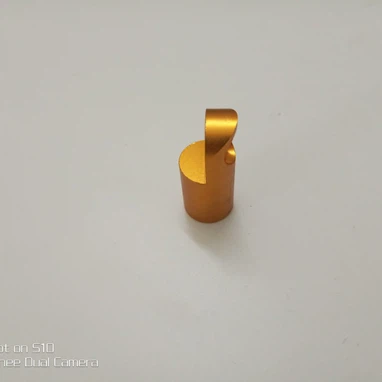
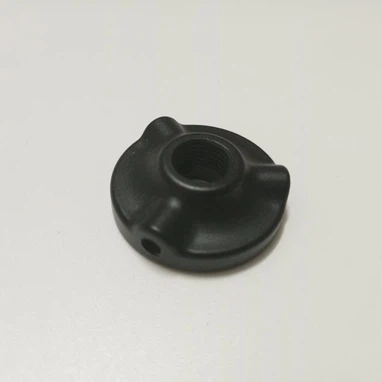
CNC aluminum turned parts refer to components that are produced through the process of computer numerical control (CNC) machining applied to aluminum material. In this manufacturing technique, specialized computer programs control the precision machining tools to shape and form the aluminum into the desired configuration. The CNC process ensures high accuracy and repeatability in the production of intricate and customized aluminum parts, making it a widely used method in various industries such as aerospace, automotive, and electronics.
Advantages of CNC Aluminium Turned Parts
Precision and accuracy
Cnc machining provides an exceptional level of precision in shaping aluminum components. The computer-controlled tools ensure accuracy down to micrometer levels, allowing for the creation of intricate and highly detailed parts with tight tolerances.
Versatility in design
Cnc aluminum turned parts are versatile, accommodating a wide range of complex designs and geometries. This flexibility allows for the production of customized components tailored to specific engineering requirements, fostering innovation and efficiency in product development.
Consistent quality and reproducibility
The automated nature of cnc machining ensures consistent quality across large production runs. Once a design is programmed, the cnc system can reproduce identical parts with minimal variation, reducing the likelihood of defects and ensuring reliability in the final product.
Efficient material removal
Cnc machining optimizes material usage by precisely removing only the necessary portions of aluminum, minimizing waste. This efficiency not only contributes to cost-effectiveness but also aligns with sustainable manufacturing practices, making cnc aluminum turned parts a choice that balances economic and environmental considerations.
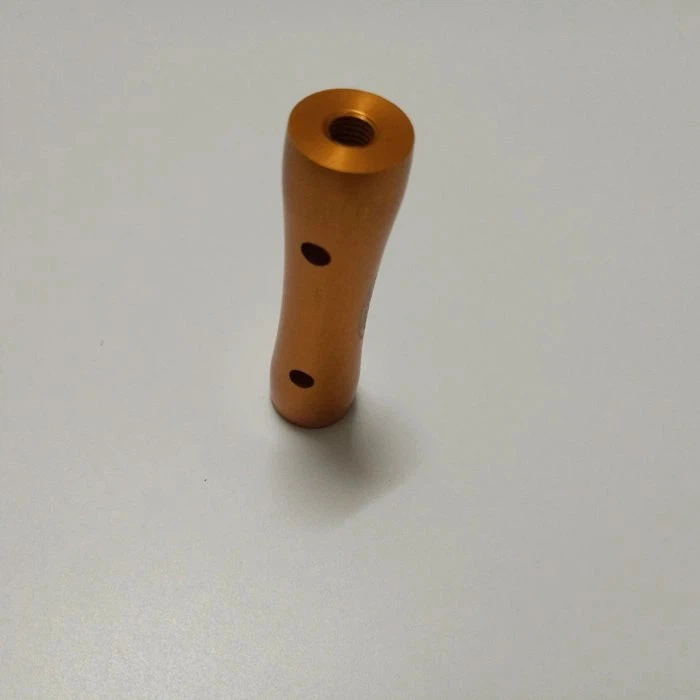
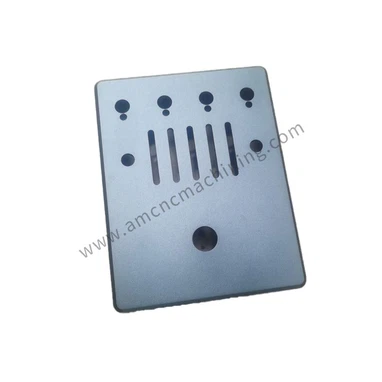
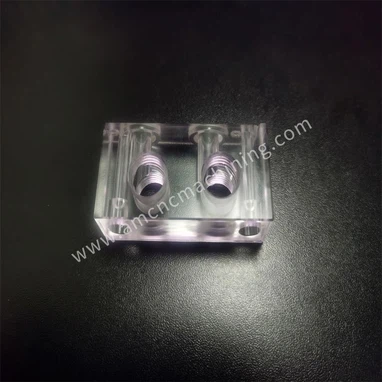
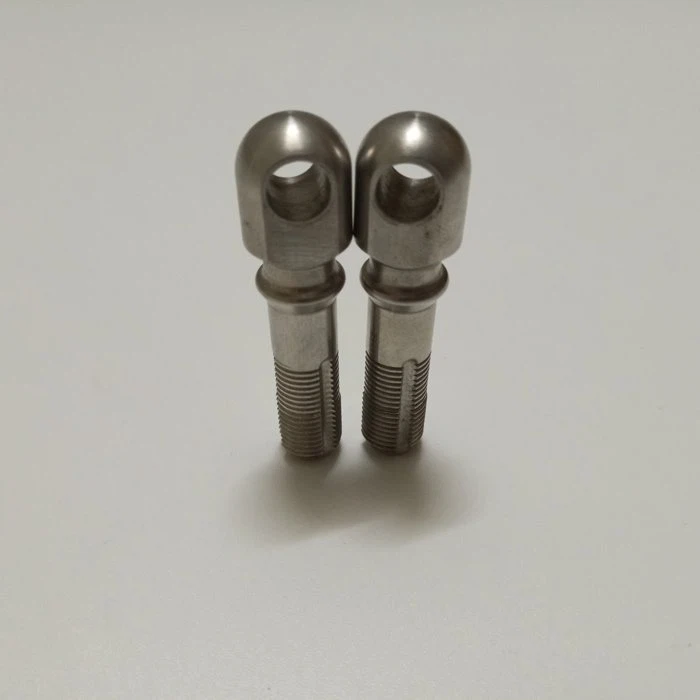



why choose us
High quality
Our products are manufactured or executed to very high standards, using the finest materials and manufacturing processes.
Rich experience
Dedicated to strict quality control and attentive customer service, our experienced staff is always available to discuss your requirements and ensure complete customer satisfaction.
Quality control
We have professional personnel to monitor the production process, inspect the products and ensure that the final product meets the required quality level standards, guidelines and specifications.
24h online service
We try and respond to all concerns within 24 hours and our teams are always at your disposal in case of any emergencies.
Types of CNC Aluminium Turned Parts
Shafts and axles
Cnc turning is frequently employed to produce shafts and axles used in machinery, automotive systems, and industrial equipment. The precision of cnc machining ensures these components meet tight tolerances for optimal performance.
Fasteners and connectors
Cnc turning is ideal for crafting threaded fasteners, nuts, bolts, and connectors. The process ensures accurate thread profiles and consistent dimensions, facilitating secure and reliable connections in assemblies.
Bushings and bearings
Cnc-turned aluminum parts are often utilized in the fabrication of bushings and bearings. These components play crucial roles in reducing friction and wear within machinery, contributing to the overall efficiency and longevity of mechanical systems.
Electronic components
Small, intricate parts such as connectors, housings, and pins for electronic devices benefit from cnc aluminum turning. The high precision of cnc machining is crucial in meeting the specifications required for electronic applications.
Valve components
Cnc turning is employed to manufacture valve components like stems and bodies. The precision and reliability of cnc machining ensure these critical components meet stringent performance standards in various industries, including oil and gas.
Brackets and mounts
Cnc turning is utilized to create brackets and mounts that are integral in supporting and securing components within assemblies. The accuracy of cnc machining is essential for ensuring proper fit and alignment.
Fluid system components
Cnc aluminum turning is commonly used for crafting components for fluid systems, such as fittings, couplings, and nozzles. These parts must have precise dimensions to maintain the integrity and efficiency of fluid handling systems.
Automotive parts
Cnc-turned aluminum parts find extensive use in the automotive industry for producing components like pulleys, spacers, and sensor housings. The high precision and consistency offered by cnc machining are crucial for meeting automotive performance standards.
Main body or shaft
The primary structural component that forms the main body or shaft of the turned part. This could be a cylindrical, tubular, or other geometric shape, depending on the intended function.
Features and grooves
Cnc turning allows for the incorporation of features such as grooves, flutes, or threads on the surface of the aluminum part. These features serve specific purposes, such as enhancing grip, facilitating assembly, or accommodating seals.
Threads
In many cases, cnc aluminum turned parts include threaded sections. These threads may be internal or external and are crucial for connecting the turned part with other components through screws, bolts, or nuts.
Shoulders and steps
Cnc machining enables the creation of shoulders or steps on the turned part, providing distinct surfaces with different diameters. These features are often used to facilitate proper alignment or to serve as reference points in an assembly.
Through-holes or blind holes
Cnc turning can create holes that pass entirely through the part (through-holes) or stop short of reaching the other side (blind holes). These holes are essential for various applications, including mounting, fastening, or fluid flow.
Flanges
Some cnc aluminum turned parts incorporate flanges-flat, projecting rims. Flanges can serve as attachment points, provide additional strength, or act as sealing surfaces in certain applications.
Chamfers and radii
Cnc machining allows for the addition of chamfers (angled edges) and radii (rounded edges) on the part. These features can enhance aesthetics, reduce stress concentrations, and improve overall part performance.
Knurls
Knurling is a textured pattern on the surface of the part, often added for improved grip or to prevent slippage when handled. Cnc turning can be employed to create precise and uniform knurled patterns.
Engravings or markings
Cnc turning can be used to engrave or mark the surface of the part with information such as part numbers, logos, or other identifiers.
How to Improve the Efficiency of the CNC Aluminium Turned Parts
Optimized tooling and toolpaths
Choose the appropriate cutting tools for the specific aluminum alloy and part geometry.
Optimize toolpaths to minimize tool travel distances and reduce cycle times.
High-speed machining
Implement high-speed machining techniques to increase cutting speeds and reduce machining time.
Ensure the cnc machine is capable of handling high-speed operations.
Advanced cnc programming
Utilize advanced cnc programming techniques, such as optimizing feed rates and spindle speeds for different machining operations.
Implement efficient tool changes and tool offsets to minimize downtime.
Automation and robotics
Integrate automation solutions, such as robotic loading and unloading, to reduce manual handling and increase overall production efficiency.
Implement in-process inspection systems for quality control without interrupting the machining process.
Material handling
Streamline material handling processes to minimize downtime between workpieces.
Optimize the loading and unloading of raw materials and finished parts to reduce idle time.
Workholding solutions
Invest in efficient workholding solutions that provide stability and quick changeovers between different parts.
Explore innovative clamping methods to enhance rigidity and reduce setup times.
Coolant and lubrication systems
Ensure proper coolant and lubrication systems are in place to maintain cutting tool performance and extend tool life.
Implement technologies like minimum quantity lubrication (mql) to reduce coolant usage and improve environmental sustainability.
Tool presetting and inspection
Use tool presetting equipment to accurately measure and set tool lengths offline, reducing setup time.
Implement in-process tool inspection to detect tool wear and prevent machining errors.
Continuous monitoring and analytics
Implement real-time monitoring systems to track machine performance, tool wear, and part quality.
Analyze data to identify opportunities for process optimization and preventive maintenance.
Future Trend of CNC Aluminium Turned Parts

Advanced materials
With ongoing research and development, cnc aluminum turned parts may see an increased use of advanced aluminum alloys or composite materials. These materials could offer enhanced strength, durability, and other properties, expanding the range of applications for turned components.
Integration with industry 4.0
The integration of cnc machining with industry 4.0 principles may become more prevalent. This involves the use of sensors, data analytics, and connectivity to optimize manufacturing processes, monitor machine performance, and enable predictive maintenance for cnc machines producing aluminum turned parts.
Increased automation
The trend toward automation is likely to continue, with more automated systems and robotic solutions integrated into cnc machining processes. This can lead to higher production efficiency, reduced lead times, and improved overall manufacturing productivity for cnc aluminum turned parts.
Enhanced precision and tolerances
Advances in cnc machining technology may result in even higher levels of precision and tighter tolerances for aluminum turned parts. This could be driven by improvements in machine control systems, tooling technologies, and overall machining techniques.
3d printing integration
While cnc machining is subtractive manufacturing, there could be increased integration with additive manufacturing techniques like 3d printing. This hybrid approach might be used to create intricate features or combine different materials in a single component.
Smart tooling and adaptive machining
The use of smart tooling, equipped with sensors and feedback mechanisms, could become more prevalent. This enables adaptive machining processes where tools can adjust cutting parameters in real-time, optimizing efficiency and tool life.
Environmental sustainability
Manufacturers may increasingly focus on environmentally sustainable practices. This could involve the use of eco-friendly machining fluids, energy-efficient cnc machines, and a reduction in material waste during the production of aluminum turned parts.
Customization and small-batch production
Cnc machining is well-suited for producing customized parts in small batches. Future trends may see an increased emphasis on flexible manufacturing systems that enable efficient production of diverse and customized cnc aluminum turned components.
The Production Process of CNC Aluminium Turned Parts
Design and cad modeling
The process begins with the design of the cnc aluminum turned part using computer-aided design (cad) software.
The cad model includes detailed specifications such as dimensions, tolerances, and surface finishes.
Material selection
Choose the appropriate aluminum alloy based on the mechanical and thermal properties required for the specific application.
The choice of material depends on factors such as strength, corrosion resistance, and weight.
Material preparation
The selected aluminum material is prepared for machining by cutting it into appropriately sized billets or rods.
Billets are often selected based on the dimensions of the final turned part.
Cnc programming
The cad model is translated into cnc code using computer-aided manufacturing (cam) software.
Cnc programming involves specifying toolpaths, cutting speeds, feed rates, and other parameters for the cnc machine.
Fixturing
The prepared aluminum material is securely mounted onto the cnc lathe or turning center using fixtures.
Proper fixturing ensures stability during machining and helps achieve accurate and repeatable results.
Cnc turning
The cnc machine, typically a lathe, rotates the workpiece while cutting tools remove material to achieve the desired shape.
Cnc turning involves various operations such as facing, turning, grooving, threading, and drilling.
The cnc machine follows the programmed toolpaths to create the intricate features of the turned part.
Quality control
Throughout the machining process, quality control checks are performed to ensure that the dimensions and tolerances meet the design specifications.
Measurements may be taken using precision instruments such as micrometers and calipers.
Surface finishing
After the initial machining, additional surface finishing operations may be performed to achieve the desired surface texture or appearance.
Common finishing processes include polishing, anodizing, or coating.
Inspection and testing
The finished cnc aluminum turned parts undergo final inspection to verify the quality and adherence to specifications.
Testing may include dimensional checks, surface finish inspection, and other relevant quality assessments.
Packaging and shipping
Once the cnc aluminum turned parts pass inspection, they are carefully packaged for protection during transportation.
The finished parts are then shipped to the customer or the next stage in the assembly process.
Throughout the production process, maintaining precision, consistency, and quality control is essential to ensure that cnc aluminum turned parts meet the required standards for their intended applications. Continuous improvement and adaptation to new technologies contribute to the efficiency and competitiveness of cnc machining operations.
Application of CNC Aluminium Turned Parts
Automotive industry: Components such as shafts, bushings, connectors, and pulleys used in engines, transmissions, and other systems.
Aerospace industry: Critical aircraft components like fasteners, fittings, and hydraulic system parts that require high precision and reliability.
Electronics: Connectors, housings, pins, and other intricate components used in electronic devices and circuitry.
Medical devices: Precision components for medical instruments, devices, and diagnostic equipment.
Industrial equipment: Various parts used in industrial machinery, including valves, couplings, and fittings.
Oil and gas industry: Valve components, connectors, and fittings for use in oil and gas exploration and production.
Telecommunications: Customized components for communication devices, connectors, and antenna components.
What You Should Know When Use CNC Aluminium Turned Parts
Choose the appropriate aluminum alloy based on the specific requirements of your application, considering factors such as strength, corrosion resistance, and weight.
Design parts with manufacturability in mind, considering the capabilities and limitations of cnc turning processes.
Ensure that tolerances, dimensions, and features are well-defined in the design to achieve the desired functionality.
Work closely with cnc programmers to develop accurate and efficient toolpaths. Optimize the toolpaths to minimize tool changes, reduce cycle times, and improve overall machining efficiency.
Select appropriate cutting tools based on the material and machining requirements.
Regularly inspect and maintain cutting tools to ensure sharpness and prevent premature wear, which can impact surface finish and dimensional accuracy.
Design effective and secure fixtures to hold the aluminum workpiece during machining. Proper fixturing is crucial for stability and accuracy.
Use appropriate cutting fluids or coolants to dissipate heat during machining. This helps prevent tool overheating, improves surface finish, and extends tool life.
Implement rigorous quality control measures throughout the production process. Regularly inspect machined parts to ensure they meet design specifications and tolerances.
Consider post-machining processes such as anodizing, coating, or polishing to achieve the desired surface finish and enhance corrosion resistance.
Understand the machining capabilities of cnc turning processes, and design parts with realistic tolerances that can be consistently achieved.
Optimize designs and machining processes to minimize material waste and reduce production costs.
Consider batch processing or the use of standardized tooling to enhance efficiency for large production runs.
Regular cleaning:Clean the cnc aluminum turned parts regularly to remove dust, debris, and coolant residue.
Use a mild solvent or cleaning solution appropriate for aluminum to avoid corrosion.
Inspect for wear:Periodically inspect the turned parts for signs of wear, such as worn-out edges, surface irregularities, or changes in dimensions.
Pay attention to critical areas, such as threaded sections or sealing surfaces.
Lubrication:Check and maintain the lubrication system of the cnc machine, including any lubrication points specific to the turned parts.
Ensure that proper lubricants are used to prevent friction and wear.
Coolant system maintenance:If coolant is used during machining, regularly check and maintain the coolant system.
Ensure that the coolant is clean, properly mixed, and free from contaminants.
Inspect cutting tools:Regularly inspect the cutting tools used for machining the aluminum turned parts.
Replace worn or damaged tools promptly to maintain machining precision.
Check cnc machine parameters:Verify that the cnc machine is operating within specified parameters.
Monitor spindle speeds, feed rates, and other relevant machining parameters to ensure optimal performance.
Calibration:Periodically calibrate the cnc machine to ensure accuracy in the machining process.
Verify that the machine axes are aligned correctly and that positional accuracy is maintained.
Preventive maintenance schedule:Implement a preventive maintenance schedule based on the machine manufacturer's recommendations.
Schedule routine checks for critical components, such as bearings, ball screws, and drive belts.
Storage:Properly store cnc aluminum turned parts in a controlled environment to prevent exposure to moisture or harsh conditions.
Implement suitable storage practices to avoid deformation or damage.

What is the Primary Material Used in CNC Aluminum Turned Parts
The primary material used in cnc aluminum turned parts is aluminum. Aluminum alloys are commonly chosen for their desirable properties, including lightweight nature, corrosion resistance, good thermal conductivity, and ease of machinability. The specific alloy selected may vary based on the requirements of the application, taking into account factors such as strength, hardness, and other mechanical properties. Popular aluminum alloys for cnc turned parts include 6061, 6063, 7075, and others, each offering a balance of characteristics suitable for different industrial needs.

How Does CNC Machining Differ From Traditional Machining Methods for Aluminum Parts
Automation and precision

Cnc machining
Computer numerical control (cnc) machining involves the use of computer programs to control machine tools. It offers high automation, precise control over tool movement, and the ability to produce complex shapes with tight tolerances.
Traditional machining: Traditional methods, such as manual milling or turning, rely on the skills of operators to guide the cutting tools. While skilled machinists can achieve precision, it may be more challenging to reproduce intricate designs consistently.

Programming and flexibility
Cnc machining: Cnc machines are programmed using cam (computer-aided manufacturing) software, allowing for precise control of tool movements. This programming flexibility enables the production of complex and customized parts with ease.
Traditional machining: Traditional methods often require manual adjustments and tool changes, making them less flexible for intricate or customized designs.

Production speed and efficiency
Cnc machining: Cnc machines can operate at high speeds and with automated tool changes, leading to increased production efficiency. They are well-suited for both prototyping and large-scale production.
Traditional machining: Traditional methods may have longer setup times, manual tool changes, and may not achieve the same level of speed and efficiency as cnc machining.
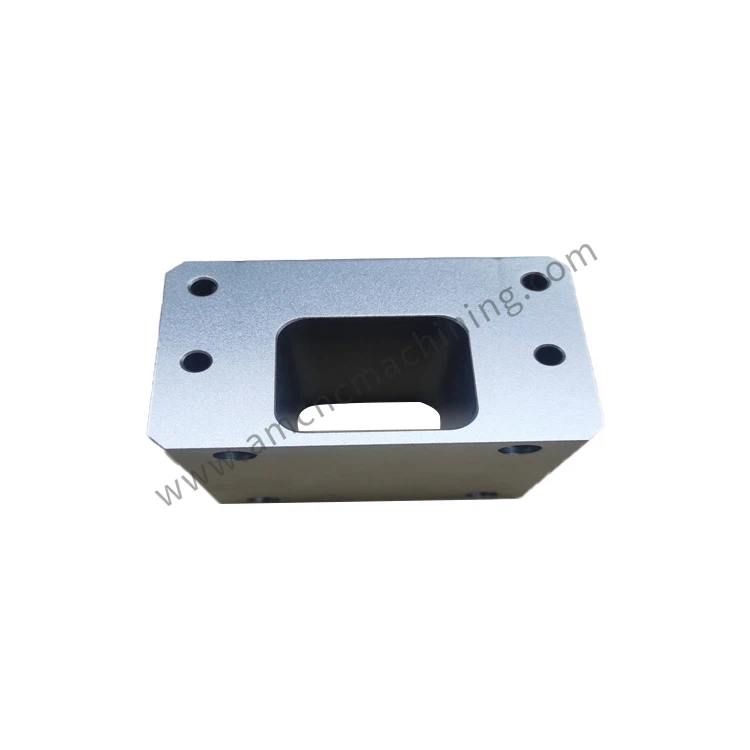
Complexity of parts
Cnc machining: Cnc machining excels at producing complex parts with intricate geometries, as the programming allows for precise control over multi-axis movements.
Traditional machining: While traditional methods can handle simpler parts effectively, achieving complex shapes may require more time and manual effort.
Consistency and reproducibility
Cnc machining: Cnc machining ensures high consistency and reproducibility of parts, as the programmed instructions are followed precisely for each iteration.
Traditional machining: Variability may occur in traditional methods due to factors such as operator skill, tool wear, and manual adjustments.
Tooling wear and maintenance
Cnc machining: Cnc machines can monitor tool wear and automatically compensate for it. This reduces the need for frequent manual tool changes and enhances overall efficiency.
Traditional machining: Traditional methods may require more frequent manual checks for tool wear and adjustments, impacting production time.
What Role Does Automation Play in Improving the Efficiency of CNC Aluminum Turned Parts Production
Reduced manual labor:Automation reduces the reliance on manual labor for repetitive tasks, allowing operators to focus on more complex and skilled aspects of the machining process.
Increased production speed:Automated cnc machines can operate continuously without breaks, leading to increased production speeds and shorter lead times for manufacturing aluminum turned parts.
Consistent precision:Automation ensures consistent precision in machining, as automated systems follow programmed instructions precisely. This reduces the likelihood of errors that may occur due to manual intervention.
Batch processing:Automated systems excel at processing batches of parts with minimal setup time. This is especially advantageous for high-volume production runs of cnc aluminum turned parts.
Tool change automation:Automated tool changers allow cnc machines to switch between different cutting tools seamlessly, reducing downtime and increasing the overall efficiency of the machining process.
Adaptive machining:Automation enables adaptive machining, where sensors and feedback mechanisms continuously monitor and adjust machining parameters in real-time. This contributes to improved efficiency by optimizing cutting conditions.
Data collection and analysis:Automation facilitates the collection of data throughout the machining process. This data can be analyzed to identify opportunities for optimization, predict maintenance needs, and enhance overall efficiency.
Flexible manufacturing cells:Automated cnc machining cells can be designed to handle various tasks, allowing for greater flexibility in production. This is particularly useful in environments where product variety and customization are essential.
Reduced setup time:Automated systems can store and recall setup information quickly, minimizing the time required for tool changes, workpiece fixturing, and other setup procedures.
Improved safety:Automation can contribute to a safer working environment by handling tasks that pose potential risks to human operators. This includes tasks involving heavy loads, high temperatures, or repetitive motions.
Integration with other systems:Automation can be integrated with other manufacturing systems, such as cad/cam software, quality control systems, and inventory management, streamlining the entire production process.
What are the Considerations When Selecting Cutting Tools for CNC Turning of Aluminum
Material compatibility
Choose cutting tools specifically designed for machining aluminum. Carbide and high-speed steel (hss) are common materials for cutting tools in aluminum machining.
Tool coating
Consider using cutting tools with coatings such as tin (titanium nitride), ticn (titanium carbonitride), or altin (aluminum titanium nitride) to improve tool life and reduce friction.
Tool geometry
Opt for tool geometries suited for aluminum turning. Positive rake angles and sharp cutting edges are generally effective for aluminum materials.
Chip breakers
Chip breakers on the cutting tool can help control chip formation and promote efficient chip evacuation during aluminum machining.
Flute design
Choose tools with higher flute counts to facilitate better chip evacuation and prevent chip congestion during turning.
Cutting speeds and feeds
Adjust cutting speeds and feeds based on the specific aluminum alloy being machined. Higher speeds are often used for softer alloys, while lower speeds may be suitable for tougher alloys.
Coolant and lubrication
Consider the use of appropriate coolants or lubricants to dissipate heat generated during machining and to improve tool life. However, some aluminum alloys are machined dry or with minimal coolant.
Tool hardness
Ensure that the tool hardness is suitable for aluminum machining. Tools that are too hard may be brittle and prone to chipping, while tools that are too soft may wear out quickly.
Tool size and rigidity
Select an appropriate tool size and ensure tool rigidity to minimize deflection during machining. Rigidity is crucial for maintaining dimensional accuracy and achieving a smooth surface finish.
Cutting tool inserts
Carbide inserts are commonly used in aluminum turning. Choose inserts with a positive rake angle, sharp cutting edges, and suitable chip breakers.
Tool wear monitoring
Implement tool wear monitoring systems to track the condition of the cutting tools and replace them before excessive wear affects part quality.
Machine stability
Ensure that the cnc lathe or turning center is stable and properly maintained. A stable machine setup contributes to consistent tool performance.
Application specifics
Consider the specific requirements of the turning application, such as roughing, finishing, or profiling, and select cutting tools accordingly.
Budget considerations
While high-performance tooling can enhance productivity, consider the budget constraints and aim for a balance between cost and tool life.
Regularly monitoring tool performance, adjusting parameters based on cutting conditions, and selecting the appropriate cutting tools for the specific aluminum alloy being machined contribute to efficient and successful cnc turning of aluminum.
How is Fixturing Essential in the CNC Turning Process for Aluminum Parts
Secure workpiece positioning:Fixturing holds the aluminum workpiece securely in place, preventing movement or vibration during machining. This stability is crucial for achieving accurate and consistent results.
Maintaining precision and tolerance:Proper fixturing contributes to maintaining the precision and tight tolerances required in cnc turning. It helps avoid deviations or errors that may occur if the workpiece shifts during machining.
Reducing vibrations and resonance:Vibrations or resonance in the workpiece can negatively impact surface finish and dimensional accuracy. Effective fixturing dampens vibrations, ensuring a smoother machining process.
Optimizing tool engagement:Fixturing is designed to optimize the engagement of cutting tools with the workpiece. This ensures that the tool interacts with the material in the most effective and controlled manner.
Facilitating multi-operation machining:In cases where multiple machining operations are performed on a single workpiece, proper fixturing allows for seamless transitions between operations. This is essential for maintaining alignment and accuracy.
Enabling uninterrupted machining:Well-designed fixturing allows for continuous and uninterrupted machining. This minimizes downtime associated with repositioning or adjusting the workpiece during the cnc turning process.
Accommodating different workpiece geometries:Fixtures are tailored to the specific geometry of the workpiece, accommodating variations in shape, size, and features. This adaptability is crucial for the versatility of cnc turning.
Enhancing safety for operators:Secure fixturing contributes to a safer working environment by reducing the risk of accidents caused by unexpected movements or dislodgment of the workpiece.
Improving production efficiency:Efficient fixturing allows for quick and repeatable setups, reducing the time required for workpiece changes and increasing overall production efficiency.
Minimizing scrap and waste:Inaccurate fixturing can lead to scrapped parts or excessive material waste. Proper fixturing helps minimize such issues, contributing to cost-effectiveness.
Adapting to cnc machine specifications:Fixturing is tailored to the specifications of the cnc machine, taking into account the machine's capabilities and limitations. This ensures compatibility and optimal performance.
Supporting automation:In automated cnc turning processes, fixturing is designed to seamlessly integrate with robotic systems, allowing for efficient loading and unloading of workpieces.
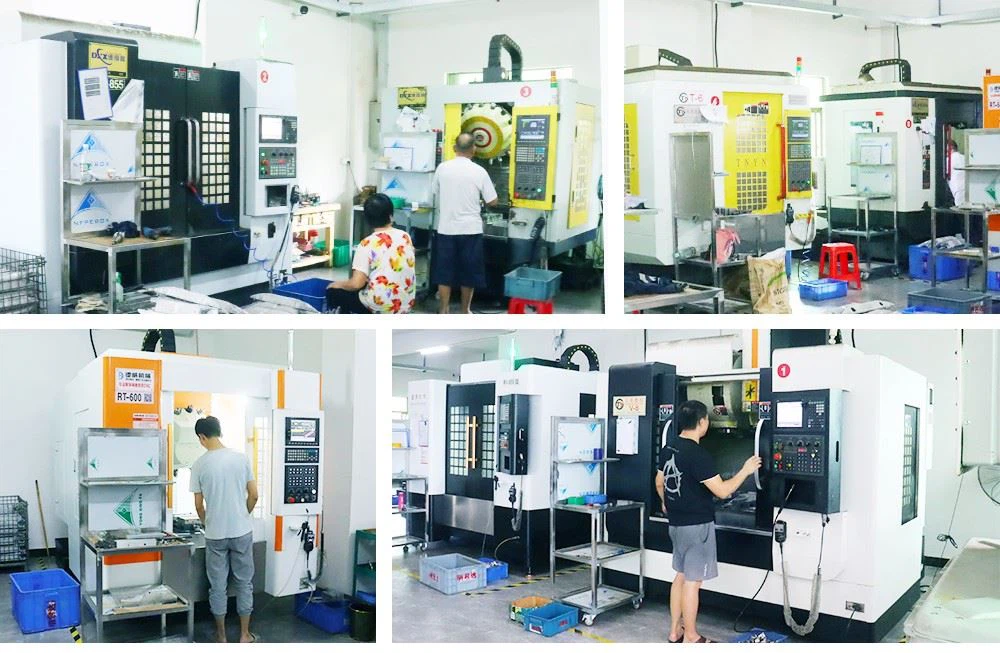
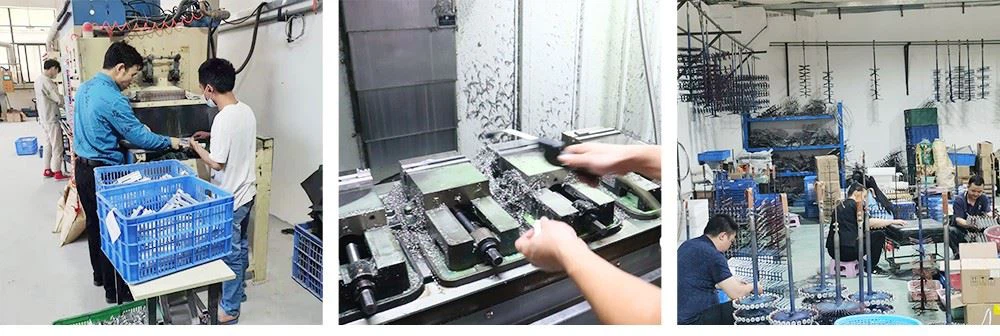
Our Factory
We were established in 2012. We specialize in manufacturing various metal parts according to customer requirements. Over the years, we have grown into a manufacturer of spare parts and metal parts, which are used in automobiles, furniture, electrical equipment, medical treatment, sanitary ware and construction.

FAQ
Q: What is cnc aluminium turning, and how does it differ from other machining methods?
Q: Which aluminium alloys are commonly used in cnc turned parts, and how do they differ?
Q: What factors influence the choice of aluminium alloy for cnc turned parts?
Q: How is the cnc programming process carried out for aluminium turned parts?
Q: What are the key advantages of using cnc aluminium turned parts in manufacturing?
Q: What industries commonly utilize cnc aluminium turned parts, and for what applications?
Q: How does cnc machining contribute to the sustainability of manufacturing aluminium turned parts?
Q: What are the main features that can be incorporated into cnc aluminium turned parts?
Q: How does cnc turning contribute to the efficient production of small batches of customised aluminium turned parts?
Q: What role does automation play in improving the efficiency of cnc aluminium turned parts production?
Q: How should cnc aluminium turned parts be maintained for optimal performance?
Q: What considerations should be taken into account when selecting cutting tools for cnc turning of aluminium?
Q: How are cnc aluminium turned parts inspected and tested for quality control?
Q: What are the primary steps involved in the production process of cnc aluminium turned parts?
Q: Can cnc aluminium turned parts be customized for specific applications?
Q: How does cnc machining integrate with industry 4.0 principles in the context of aluminium turned parts?
Q: What preventive maintenance measures ensure the longevity of cnc machines producing aluminium turned parts?
Q: In which industries are cnc aluminium turned parts crucial for their operations?
Q: How can cnc aluminium turned parts contribute to the advancements in renewable energy systems?
Q: What are the emerging technologies influencing the future trends of cnc aluminium turned parts production?
Hot Tags: cnc aluminium turned parts, China cnc aluminium turned parts manufacturers, suppliers, factory, prototype machined parts, cnc machining milling parts, cnc machining precision parts, Aluminium CNC Milling Parts, cnc lathe accessories, machined stainless steel parts