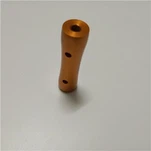
We were established in 2012. We specialize in manufacturing various metal parts according to customer requirements. Over the years, we have grown into a manufacturer of spare parts and metal parts, which are used in automobiles, furniture, electrical equipment, medical treatment, sanitary ware and construction. industry. With our long-term experience, we are a well-known reliable manufacturer in the CNC machining industry. And trusted by domestic and foreign entrepreneurs, we have a group of professional technicians and advanced production equipment to produce high-quality products, such as steel, copper, brass, stainless steel, aluminum, etc.
Why Choose Us
Our Product
We provide CNC machining service.For example:
- Aluminium CNC Milling Parts
- Metal Milling Service
- CNC Milling Acrylic
- Precision Prototyping Machining
- CNC Lathe Turning Machining
- Stainless Steel Turned Parts
Production Market
USA, Canada, Netherlands, Denmark, UK, Germany, Spain, Israel etc.
Product Application
Structure parts for product,CNC parts , Automobile parts, Sports equipment, Communication equipment.
Our Service
We can provide you with high-quality products and actively respond to your inquiries. At the same time, our team members are omnipotent and have accumulated professional and rich experience in CNC operation, and will provide you with consultation and feedback to meet your requirements to the greatest extent.


CNC machining, offers a reliable way to fabricate acrylic parts safely, with a high degree of accuracy and minimal waste of acrylic material. CNC machining results in very few errors, making it possible to create high-quality acrylic parts and prototypes such as headlamps, casings, jewelry, and more.
Acrylic, with its excellent clarity and adaptability, poses an interesting material for CNC machining. Known scientifically as polymethyl methacrylate (PMMA), acrylic offers a unique combination of properties that make it both appealing and challenging to machine.
Advantages of CNC Machining Acrylic
Material Compatibility
Acrylic, being a thermoplastic that becomes malleable upon exposure to heat, is well-suited for CNC machining. This inherent quality allows for easy fabrication and shaping of acrylic using this precise and efficient process.
Increased Rate of Production
CNC machining stands out as one of the most efficient methods for fabricating acrylic material, especially when producing small batches of acrylic parts. The process enables faster production compared to manual methods, enhancing efficiency and productivity in acrylic manufacturing.
Builds High Precision Parts
CNC machines exhibit an impressive capability for extremely precise cuts, with tolerances measured in thousandths of an inch. This high level of accuracy is particularly crucial when working with materials like acrylic, where the demand for clean edges and precise dimensions is paramount.
Minimized Waste
Due to its precise manufacturing methods, CNC can cut acrylic with the optimal amount of force, avoiding irreversible damage. This results in the quick and effective production of acrylic components with accurate shapes and sizes. The use of CNC increases accuracy and minimizes waste in the manufacturing process.
How to Cnc Machine Acrylic
Manufacturers use different methods to machine acrylic and acrylic blanks. The method employed is often based on client specifications. Here are the major methods used for CNC machining of acrylic complex shapes for conventional machining processes.
CNC Milling Acrylic
This CNC machining acrylic process has one of the best chip controls and involves removing materials from a sheet of acrylic.
In this process, the CNC machine feeds the workpiece or acrylic sheet to cutting tools.
It does this in the same direction as the rotating cutting tool. This technique is ideal for machining complex geometry.
Cutting tools have edge rake angles with spinning multi-point for optimal CNC machining of acrylic.
This cutting tool allows the acrylic milling machine shop to undertake different types of cutting, including shallow cutting acrylic, deep acrylic cutting, peripheral milling, etc.
CNC Turning Acrylic
Manufacturing acrylic products using this process involves the removal of materials from an acrylic workpiece that is revolving.
However, unlike the CNC milling acrylic process, the cutting tool used here has a single rotating point.
When CNC machining acrylic using this process, the machine feeds the cutting tool over the surface of the acrylic workpiece in a straight line. It does this around the perimeter, removing materials until the product achieves desired shape.
The machining capabilities of CNC acrylic turning, including thread cutting, boring, grooving, and facing, among others.
Acrylic Engraving
This machining process involves using chip control to engrave a design, piece of art, or emblem on an acrylic CNC material. It involves an automated process that cuts a design into an acrylic workpiece.
This machine has a high cutting speed and precision, ensuring all engraved products with the same specification are 100% match.
Applications of CNC Acrylic Parts
There are many applications of CNC acrylic parts across various industries. The major applications of CNC acrylic parts include;


Lighting and Electronics
Acrylic's transparency makes it ideal for use in the lighting and electronics industry. Its high transparency and optical properties make it the best choice for building lamps, light tubes, and other light-emitting products.
Other attributes that make PMMA the top choice for lighting and electronics are its high level of light transmission and optical clarity.
Automotive Industry
Acrylic has several applications in the automotive industry, from designing car windows, and panels to fenders and motorcycle windshields.
Due to its ease of casting and fabrication and surface hardness, it is also ideal for producing covers for interior car lights, indicator lights, etc.
Construction And Architecture
Due to acrylic's high impact and UV light resistance, it has several applications in the construction industry.
One such application is in the production of building doors, canopies, panels, window profiles, façade designs, etc.
Healthcare and Medical Industry
The medical industry uses acrylic polymer in the production of cabinets, incubators, glove boxes, and other devices used in the medical field.
Acrylic's ease of maintenance is one reason it has a high rate of adoption in this industry.
Moreover, acrylic has a high compatibility rate with biologics, making them the ideal alternative for filling dental cavities.
CNC machining acrylic is a process that transforms a simple acrylic sheet into a complex, precision part or product. The CNC (Computer Numerical Control) machining process for acrylic involves several key steps, each important to achieving the desired outcome with the highest quality. Here's an overview of the stages involved:
Design and CAD Modeling: Initially, the concept is visualized and then designed using CAD (Computer-Aided Design) software. This digital model is the blueprint for the machining process.
Selecting the Acrylic Material: There's a choice between cast and extruded acrylic, each with unique properties that affect the machining process and the final product.
Preparing the CNC Machine: This involves setting up the machine, including calibration and ensuring all components are functioning correctly.
Tool Selection: Selecting the right cutting tools is crucial to prevent damage to the acrylic and achieve a high-quality finish.
Securing the Acrylic: The material must be clamped securely to prevent movement during machining, which could lead to inaccuracies.
Setting Machining Parameters: Parameters such as spindle speed, feed rate, and depth of cut must be adjusted specifically for acrylic to ensure optimal machining conditions.
CAM Programming: The CAD model is translated into G-code, the machine language that controls the CNC machine's movements.
Running a Test Cut (Optional): A preliminary test cut can help identify any potential issues before the final machining process begins.
Machining the Part: The machine follows the programmed path to cut the acrylic material into the desired shape and size.
How to Choose CNC Machining Acrylic
When working with CNC mills or CNC lathes to cut acrylic, selecting the appropriate material is critical. Different types of acrylic vary in degrees of transparency, melting points, rigidity, and other properties. Acrylic's versatile attribute makes it suitable for a broad range of CNC machining processes.
To successfully cut acrylic using CNC machines, it's important that the edges of the machine are sharp and robust. This is necessary to avoid the melting of acrylic during the cutting process, which can have a negative impact on both appearance and functionality. Cutters that have been previously used with metal must be avoided as they may have jagged edges. The use of smooth and sharp cutter edges can also help in achieving smooth surface finishes.
The cutter material is an essential factor to consider when cutting acrylic with CNC machines. While high-speed steel is capable of cutting acrylic, the surface finish it produces may be poor. While diamond cutters can provide an improved surface finish, they are also particularly expensive. Carbide is often preferred for CNC cutting of acrylic materials.
Specialized cutters often feature a single flute to maximize chip clearance. The single flute is also useful for preventing heat buildup in the material. Fewer flutes, however, can help reduce the risk of catastrophic failure when chips become trapped.
Selecting the right material for your drill bit is critical to effectively making holes in acrylic. Carbide is a highly effective material for acrylic drilling, and many manufacturers prefer O-Flute End Mill Bits that are purpose-designed for cutting and drilling acrylics. Moreover, ensure that your drill bits remain sharp since dull bits often result in poor quality edges and can cause stress cracking and crazing.
Machining acrylic requires precision and attentive operations. Ensuring that the acrylic is secured appropriately to the machine is of great significance, as failure to do so could result in excessive vibrations, eventually ruining the quality of the final product.
Using a ramp with your bit is preferable in CNC acrylic. To avoid any damage to the acrylic surface, gradually move your bit downwards in a smooth ramping motion rather than plunging directly. This technique results in better protection against potential damage and contributes to achieving smoother finishing results. A smooth ramp between 1 to 3 inches can achieve an optimal result.
To ensure desired results when cutting with CNC machines, the ideal pass depth for most materials is half the diameter of the bit. For some materials, a pass depth of 0.0625″ may be preferable for achieving the best results.
The direction of the tool is just as vital as the cutting depth in the acrylic CNC machining process. As such, it's necessary to understand the direction of the CNC cutter's rotation or spin, including whether it is rotating to the left or right, or clockwise or counterclockwise. This knowledge is essential to achieve precise design features.
Appropriate feed rate setting is crucial in CNC acrylic machining. To avoid the melting of acrylic, it is recommended to use faster feed rates. However, the highly fast feed rate may result in excessive cutting pressure and then cause acrylic parts to break. It can also lead to dislodged parts from the workholding or blemishes on the part surface. Conversely, slower feed rates may produce parts with incorrect dimensions or unfinished, rough surface finishes.
Deciding on the best feed rate for a project depends on the type of acrylic material selected as well as the geometry of the component.
The RPM (revolution per minute) and feed rate settings are interrelated and must be adjusted according to the type of acrylic being used. If a faster RPM is chosen, then a corresponding increase in feed rate is necessary to avoid the risk of material melting. The correct correlation between these settings will aid in creating optimal results.
Surface Finishes For CNC Machined Acrylic
Here are some of the common finishes for acrylic:
Polishing
Using sandpaper of different grit sizes to polish the surface of acrylic, removing machining marks to enhance surface smoothness and light transmittance.
Bead Blasting
Using compressed air to spray fine sand or abrasives onto the surface of acrylic, giving it a frosted appearance to improve slip resistance and scratch resistance.
Silk Screening
Applying silk screening on the surface of acrylic to print various patterns, text, logos, etc., enhancing decorative effects and product recognition.
UV Coating
Applying UV-cured paint onto the surface of acrylic parts, enhancing their glossiness, hardness, and weather resistance.
What Are Ways to Avoid Acrylic Melting During Cnc Machining
Acrylic's favorable properties for CNC machining, including its clarity and versatility, can be compromised by heat generation during the machining process, leading to melting.
Optimize Spindle Speed and Feed Rate
Finding the right balance between spindle speed (RPM) and feed rate (the speed at which the tool moves through the material) is crucial. A too high spindle speed can generate excessive heat, leading to melting. Conversely, an optimized feed rate ensures efficient material removal, minimizing the chance for heat build-up.
Recommendation: Experiment with lower RPMs while adjusting the feed rate to maintain an efficient cutting action without overheating.
Tool Selection with Appropriate Flute Count
Use single or two-flute end mills designed for plastics. These tools have larger gullets (the space between each cutting edge) allowing for efficient chip evacuation. Removing chips quickly reduces the risk of re-cutting chips, which can generate heat and cause the acrylic to melt.
Recommendation: A single-flute end mill is often preferred for its superior chip removal capabilities in acrylic.
Cooling Techniques
Although acrylic can be sensitive to thermal shock, controlled application of cooling can significantly reduce the risk of melting. Techniques such as air blasts can efficiently remove chips from the cutting area and dissipate heat without causing thermal stress to the material.
Recommendation: Use a directed air blast or a specialized plastic cutting coolant spray to maintain low temperatures during machining.
Peck Drilling for Deep Holes
When drilling deep holes, peck drilling (a technique where the drill bit is periodically retracted to clear chips) helps prevent chip re-welding and excessive heat build-up.
Recommendation: Implement a peck cycle with a suitable retract distance to allow chips to be cleared and air to cool the drill bit and workpiece.
Proper Clamping to Avoid Vibration
Vibration during machining can lead to irregular contact between the tool and the material, generating heat through friction. Ensuring the acrylic is securely clamped minimizes vibrations and promotes a steady cutting action.
Recommendation: Use soft jaws or vacuum clamping to securely hold the acrylic without inducing stress.
Choosing the Right Cutter Geometry
Cutters specifically designed for plastic materials, including acrylic, often feature a high rake angle and a sharp cutting edge to slice through the material with minimal resistance and heat generation.
Recommendation: Select cutters with geometries tailored for acrylic to reduce heat and improve surface finish.
Use of Climbing Milling Direction
Climbing milling (where the cutter rotates in the same direction as the feed) can produce cleaner cuts in acrylic, reducing the likelihood of melting due to its more efficient chip evacuation compared to conventional milling.
Recommendation: Employ climbing milling whenever possible to enhance cutting efficiency and surface quality.
FAQ
Hot Tags: cnc machining acrylic, China cnc machining acrylic manufacturers, suppliers, factory, machining small parts, Mill Part Service, cnc milling machining parts for computer, cnc machining aircraft parts, Aluminum Precision Parts, precision machining small parts