

In the realm of precision manufacturing, CNC (Computer Numerical Control) milling has emerged as a cornerstone process, enabling the creation of highly accurate and complex parts across a wide range of industries. As a dedicated provider of CNC Milled Parts Service, I've witnessed firsthand the critical role that cylindricity tolerance plays in ensuring the functionality and quality of CNC milled parts. In this blog, I'll delve into what cylindricity tolerance is, why it matters, and how we manage it in our CNC milling operations.
Understanding Cylindricity Tolerance
Cylindricity is a geometric tolerance that controls the form of a cylindrical surface. It refers to the condition where all points of the surface of a cylinder are equidistant from the cylinder's axis. In simpler terms, it measures how closely a machined cylinder matches the ideal cylindrical shape. A perfect cylinder has no deviations in roundness, straightness along its axis, or taper.
Cylindricity tolerance, then, is the allowable variation from this ideal cylindrical form. It is specified on engineering drawings as a tolerance zone, which is a three - dimensional space within which the actual surface of the cylinder must lie. This tolerance zone is defined by two coaxial cylinders, and the difference in their radii represents the cylindricity tolerance value.
For example, if a drawing specifies a cylindricity tolerance of 0.01 mm, it means that the actual surface of the machined cylinder must fall within a zone defined by two coaxial cylinders with a radial difference of 0.01 mm.
Why Cylindricity Tolerance Matters
The importance of cylindricity tolerance cannot be overstated, especially in applications where precision is paramount. Here are some key reasons why it is crucial in CNC milled parts:
1. Functional Performance
In many mechanical systems, cylindrical parts such as shafts, pins, and bearings need to fit precisely with other components. A poor cylindricity can lead to uneven contact, increased friction, and premature wear. For instance, in an engine, a piston with an out - of - tolerance cylindricity may not seal properly within the cylinder bore, resulting in loss of compression, reduced power output, and increased fuel consumption.
2. Assembly
When assembling complex machinery, parts need to fit together seamlessly. If the cylindricity of a part is not within the specified tolerance, it can cause difficulties during assembly. It may require excessive force to fit the parts together, which can lead to damage or misalignment of other components. This can ultimately affect the overall performance and reliability of the assembled product.
3. Quality Assurance
Meeting the specified cylindricity tolerance is a sign of high - quality manufacturing. It demonstrates that the manufacturer has control over the machining process and can produce parts that meet the design requirements. For customers, parts with accurate cylindricity are more likely to perform as expected and have a longer service life.
Factors Affecting Cylindricity in CNC Milling
Several factors can influence the cylindricity of CNC milled parts:
1. Machine Tool Accuracy
The accuracy of the CNC milling machine itself is a major factor. Issues such as spindle runout, guideway straightness, and servo - system errors can all contribute to deviations in the machined cylindrical surface. A machine with poor geometric accuracy will struggle to produce parts with tight cylindricity tolerances.
2. Cutting Tools
The condition and geometry of the cutting tools play a crucial role. Worn or damaged cutting tools can cause uneven cutting forces, which can lead to variations in the machined surface. Additionally, the choice of cutting tool geometry, such as the rake angle and the number of flutes, can affect the cutting process and the resulting cylindricity.
3. Workpiece Material
Different materials have different machining characteristics. Some materials may be more prone to deformation during machining, which can affect the cylindricity. For example, soft materials like aluminum may be more likely to experience chatter or built - up edge, while hard materials like stainless steel may require more precise cutting parameters to achieve good surface finish and cylindricity.
4. Machining Parameters
Parameters such as cutting speed, feed rate, and depth of cut can significantly impact the cylindricity of the machined part. Incorrect machining parameters can lead to excessive cutting forces, vibrations, and heat generation, all of which can cause deviations from the ideal cylindrical form.
Managing Cylindricity Tolerance in CNC Milling
As a CNC Milled Parts Service provider, we take several steps to ensure that the cylindricity of our parts meets the specified tolerances:
1. Machine Maintenance and Calibration
Regular maintenance and calibration of our CNC milling machines are essential. We perform routine checks on the spindle, guideways, and servo - systems to ensure their accuracy. This helps to minimize the effects of machine - related errors on the cylindricity of the machined parts.
2. Tool Selection and Management
We carefully select cutting tools based on the workpiece material and the required tolerance. We also have a strict tool management system in place to ensure that the tools are in good condition. This includes regular tool inspections, re - sharpening, and replacement when necessary.
3. Process Optimization
We optimize our machining processes by adjusting the cutting parameters such as cutting speed, feed rate, and depth of cut. Through extensive testing and experimentation, we determine the optimal parameters for each specific application to achieve the best possible cylindricity.
4. Quality Control
We implement a comprehensive quality control system. This includes in - process inspections using precision measuring instruments such as coordinate measuring machines (CMMs) and roundness testers. These instruments allow us to measure the cylindricity of the parts during machining and make real - time adjustments if necessary. Final inspections are also conducted to ensure that the parts meet the specified tolerances before they are shipped to the customer.
Cylindricity Tolerance in Different Materials
The management of cylindricity tolerance can vary depending on the material being machined. For Milling Plastic Parts, for example, special considerations are needed:
1. Plastic Materials
Plastic materials have lower stiffness compared to metals, which means they are more prone to deformation during machining. To achieve good cylindricity in plastic parts, we use lower cutting forces and slower feed rates. We also take into account the thermal properties of plastics, as excessive heat generated during machining can cause melting or warping, which will affect the cylindricity.
2. Metal Materials
In metal machining, the hardness and ductility of the metal play a significant role. For hard metals like titanium or hardened steel, we may need to use more rigid cutting tools and higher cutting speeds. For ductile metals like copper or aluminum, we focus on preventing built - up edge and chatter to maintain good cylindricity.
Conclusion
Cylindricity tolerance is a critical aspect of CNC milled parts manufacturing. It directly impacts the functional performance, assembly, and quality of the parts. As a CNC Milled Parts Service provider, we are committed to ensuring that our parts meet the highest standards of cylindricity. By carefully managing the factors that affect cylindricity, such as machine tool accuracy, cutting tools, workpiece material, and machining parameters, we can produce high - quality parts that meet the specific needs of our customers.
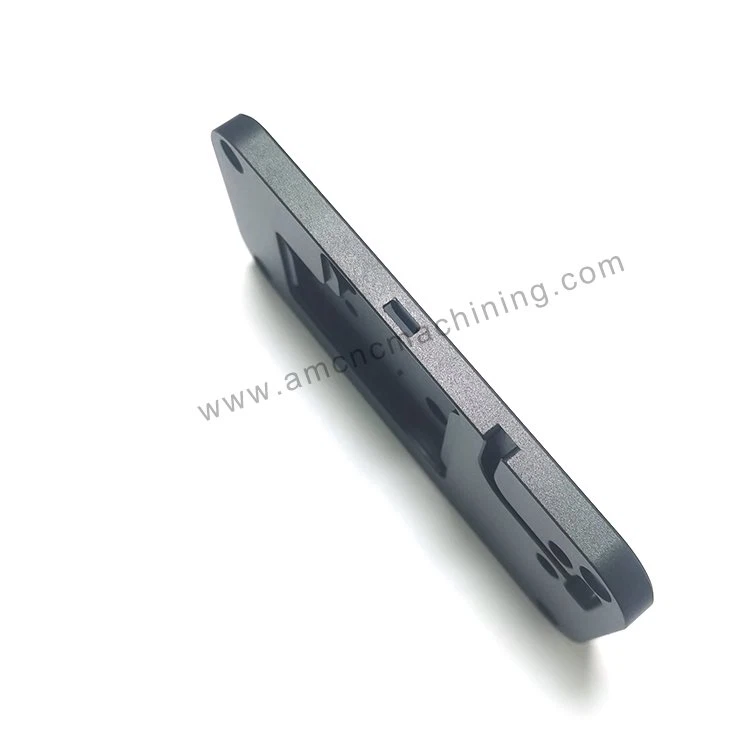

If you are in need of precision CNC milled parts with tight cylindricity tolerances, we would be delighted to discuss your requirements. Our team of experts is ready to provide you with customized solutions and excellent service. Contact us today to start the procurement and negotiation process, and let us help you bring your projects to life with our high - quality CNC milled parts.
References
- ASME Y14.5 - 2018, Dimensioning and Tolerancing Standard.
- ISO 1101:2017, Geometrical product specifications (GPS) - Geometric tolerancing - Tolerances of form, orientation, location and run - out.
- Machinery's Handbook, 31st Edition, Industrial Press Inc.


