

As a supplier of CNC Milling Machine Parts, I understand the critical importance of anti - oxidation measures for these parts. Oxidation can significantly degrade the performance and lifespan of CNC milling machine parts, leading to increased maintenance costs and reduced productivity. In this blog, I will share some effective anti - oxidation measures that can be adopted to protect these valuable components.
Understanding Oxidation in CNC Milling Machine Parts
Oxidation is a chemical reaction that occurs when metal parts come into contact with oxygen in the air. In the context of CNC milling machine parts, materials such as steel, aluminum, and copper are commonly used. These metals are prone to oxidation, especially in environments with high humidity, temperature fluctuations, or exposure to corrosive substances.
When oxidation occurs, a layer of metal oxide forms on the surface of the parts. This layer can cause several problems. Firstly, it can increase the friction between moving parts, leading to premature wear and tear. Secondly, it can affect the dimensional accuracy of the parts, which is crucial in precision machining operations like Precision CNC Milling Machining. Thirdly, severe oxidation can weaken the structural integrity of the parts, potentially leading to mechanical failures.
Anti - Oxidation Measures
Surface Treatment
One of the most common and effective anti - oxidation measures is surface treatment. There are several types of surface treatments available for CNC milling machine parts.
- Galvanization: Galvanization involves coating the metal parts with a layer of zinc. Zinc is more reactive than many other metals used in CNC milling machine parts. When the zinc layer is exposed to oxygen, it forms a protective zinc oxide layer. This layer acts as a barrier, preventing oxygen from reaching the underlying metal. Galvanized parts are highly resistant to oxidation and are suitable for use in outdoor or humid environments.
- Anodizing: Anodizing is a process commonly used for aluminum parts. It involves creating a controlled oxide layer on the surface of the aluminum through an electrochemical process. The anodized layer is much thicker and more durable than the natural oxide layer that forms on aluminum. It provides excellent corrosion resistance and can also enhance the aesthetic appearance of the parts.
- Painting or Powder Coating: Applying a layer of paint or powder coating to the surface of the parts can also provide effective anti - oxidation protection. The coating acts as a physical barrier, preventing oxygen and moisture from coming into contact with the metal. Different types of paints and powder coatings are available, each with its own properties and suitability for different applications. For example, epoxy paints are known for their excellent adhesion and chemical resistance, while polyurethane powder coatings offer good abrasion resistance.
Environmental Control
Controlling the environment in which the CNC milling machine parts are stored and used is another important anti - oxidation measure.
- Humidity Control: High humidity is one of the main factors that contribute to oxidation. By keeping the humidity levels in the storage and working areas low, the risk of oxidation can be significantly reduced. This can be achieved through the use of dehumidifiers. In some cases, it may also be necessary to seal the parts in moisture - proof containers or use desiccants to absorb any excess moisture.
- Temperature Control: Extreme temperature fluctuations can also accelerate the oxidation process. Maintaining a stable temperature in the storage and working areas can help to slow down the rate of oxidation. This may involve using air - conditioning or heating systems to keep the temperature within a suitable range.
- Clean and Dry Storage: Storing the parts in a clean and dry environment is essential. Dust, dirt, and other contaminants can trap moisture on the surface of the parts, increasing the risk of oxidation. Regularly cleaning the storage area and the parts themselves can help to prevent this. Parts should be stored on clean, dry racks or shelves, and any exposed surfaces should be covered to protect them from dust and moisture.
Lubrication
Proper lubrication is not only important for reducing friction and wear in CNC milling machine parts but also for providing anti - oxidation protection.
- Anti - Oxidation Lubricants: There are special lubricants available that contain anti - oxidation additives. These lubricants can form a thin protective film on the surface of the parts, preventing oxygen from reaching the metal. When selecting a lubricant, it is important to choose one that is compatible with the materials of the parts and the operating conditions.
- Regular Lubrication Maintenance: Regularly applying lubricant to the moving parts of the CNC milling machine is crucial. This helps to ensure that the protective film is maintained and that the parts are properly lubricated. The frequency of lubrication depends on the type of machine, the operating conditions, and the manufacturer's recommendations.
Material Selection
Choosing the right materials for CNC milling machine parts can also play a significant role in preventing oxidation.
- Stainless Steel: Stainless steel is an alloy that contains chromium, which forms a thin, passive oxide layer on the surface of the metal. This layer provides excellent corrosion resistance, making stainless steel a popular choice for parts that are exposed to harsh environments or require long - term durability. However, it is important to note that not all stainless steels are equally resistant to oxidation, and the grade of stainless steel should be carefully selected based on the specific application.
- Corrosion - Resistant Alloys: In addition to stainless steel, there are other corrosion - resistant alloys available, such as titanium alloys and nickel - based alloys. These alloys offer high strength and excellent corrosion resistance, but they may be more expensive than traditional metals. The choice of alloy depends on the specific requirements of the application, including the level of oxidation resistance needed, the mechanical properties required, and the cost constraints.
Monitoring and Inspection
Regular monitoring and inspection of the CNC milling machine parts are essential to detect any signs of oxidation early.
- Visual Inspection: Conducting regular visual inspections of the parts can help to identify any signs of oxidation, such as rust spots, discoloration, or pitting. If oxidation is detected early, appropriate measures can be taken to prevent it from spreading and causing further damage.
- Non - Destructive Testing: Non - destructive testing methods, such as ultrasonic testing and eddy current testing, can be used to detect internal oxidation or corrosion that may not be visible on the surface. These testing methods can provide valuable information about the integrity of the parts and help to determine if any further action is required.
Conclusion
As a supplier of CNC Precision Machining Parts, I know that implementing effective anti - oxidation measures is crucial for ensuring the quality and longevity of CNC milling machine parts. By using surface treatments, controlling the environment, proper lubrication, careful material selection, and regular monitoring and inspection, the risk of oxidation can be significantly reduced.

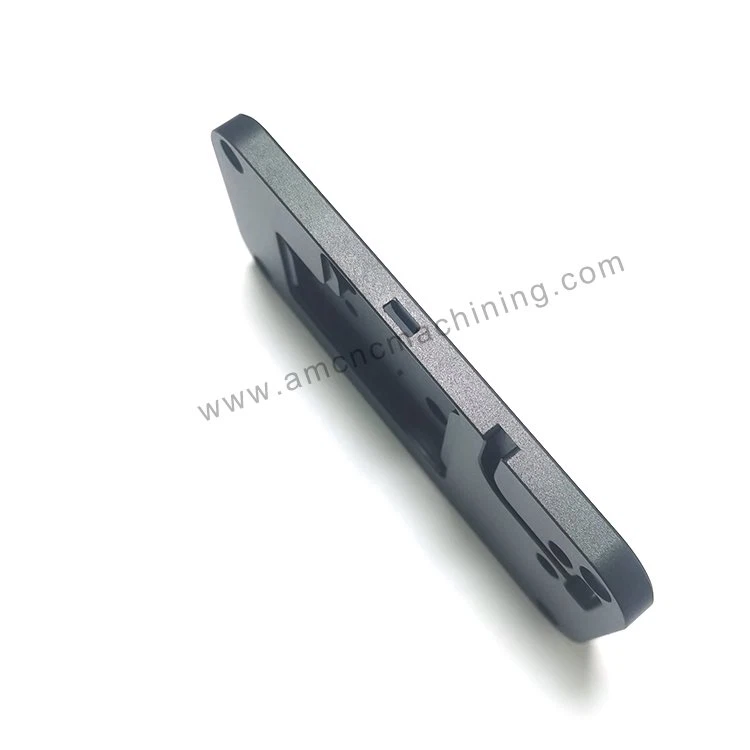
If you are in the market for high - quality CNC milling machine parts and are interested in learning more about our anti - oxidation measures, please feel free to contact us for further discussion and potential procurement. We are committed to providing you with the best products and solutions to meet your needs.
References
- ASM Handbook Committee. (2004). ASM Handbook, Volume 13A: Corrosion: Fundamentals, Testing, and Protection. ASM International.
- Davis, J. R. (2001). Stainless Steels. ASM International.
- Schumann, S. (2016). Handbook of Lubrication and Tribology, Volume II: Application and Maintenance. CRC Press.


