Hey there! I'm from a CNC Precision Milling supplier, and today I wanna share with you how to replace cutting tools in a CNC precision milling machine. It might seem a bit tricky at first, but once you get the hang of it, it's not that bad.
Why Tool Replacement Matters
First off, let's talk about why replacing cutting tools is so important. Over time, cutting tools wear out. When they do, they can't cut as efficiently, and the quality of the milled parts goes down. You might end up with rough surfaces, inaccurate dimensions, and all sorts of other issues. Plus, using a worn - out tool can put extra stress on the machine, which could lead to more serious problems down the line. So, regular tool replacement is key to keeping your CNC precision milling machine running smoothly and producing high - quality parts.
Before You Start
Before you even think about replacing the cutting tool, there are a few things you need to do. Safety first! Make sure the machine is turned off and unplugged. This might sound obvious, but you'd be surprised how many accidents happen because someone forgot to do this. Also, wear appropriate safety gear like gloves and safety glasses. You don't want any chips or debris flying into your eyes or cutting your hands.
Next, gather all the tools you'll need. Usually, you'll need a tool holder wrench and maybe a few other small tools depending on your machine. Check the machine's manual to see exactly what you need. And of course, have the new cutting tool ready. Make sure it's the right type and size for your job. You can find a wide range of high - quality cutting tools for your Aluminum Fabrication Service and CNC Mechanical Parts on our website.
Removing the Old Tool
Now, let's get to the actual process of removing the old tool. First, locate the tool holder. It's usually near the spindle of the machine. Use the tool holder wrench to loosen the clamping mechanism. This might take a bit of force, but be careful not to over - do it. Once the clamping mechanism is loose, you should be able to pull the old tool out of the holder.
As you remove the tool, be careful not to damage the tool holder or the spindle. Some tools might be stuck in there pretty tightly, especially if they've been in use for a long time. If that's the case, you might need to use a gentle tapping motion with a soft - faced hammer to loosen it up. But again, be very gentle.
After you've removed the old tool, take a good look at the tool holder. Check for any signs of damage or wear. If there are any issues, you might need to clean or replace the tool holder before installing the new tool.
Installing the New Tool
Once the old tool is out, it's time to install the new one. First, clean the tool holder. You can use a clean cloth and some solvent to remove any debris or coolant that might be in there. Make sure the tool holder is completely dry before you proceed.
Now, take the new cutting tool and insert it into the tool holder. Make sure it's inserted all the way and is properly aligned. Then, use the tool holder wrench to tighten the clamping mechanism. Tighten it firmly, but don't go overboard. You want it to be tight enough to hold the tool securely, but not so tight that you damage the tool or the holder.
After you've tightened the clamping mechanism, give the tool a little tug to make sure it's held firmly in place. If it moves at all, you might need to tighten it a bit more.
Testing the New Tool
Once the new tool is installed, it's a good idea to do a quick test. Turn the machine on (make sure all the safety guards are in place) and run a test program. This could be a simple program that just moves the tool around a bit to see if it's working properly.
Watch the tool as it moves. Look for any signs of vibration or unusual noise. If you notice anything strange, turn the machine off immediately and check the tool installation again. It could be that the tool is not installed correctly or there's something wrong with the tool itself.
If the test goes well, you're good to go! You can now start your actual milling job with the new cutting tool.
Tips and Tricks
Here are a few tips and tricks to make the tool replacement process even easier. First, keep a record of when you replace your tools. This can help you keep track of how often your tools are wearing out and when you need to order new ones. You can also use this information to optimize your machining processes and reduce tool wear.

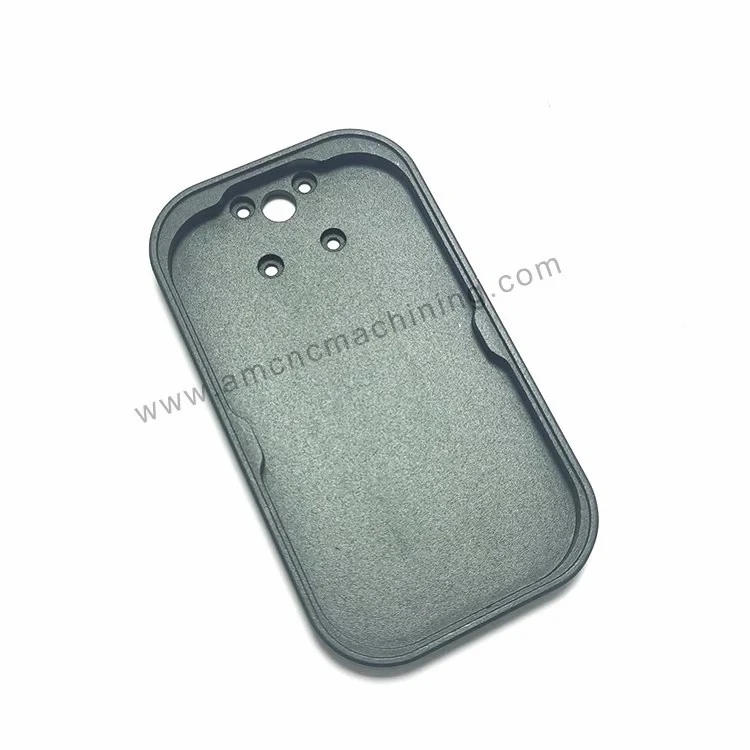
Second, always use high - quality cutting tools. It might cost a bit more upfront, but in the long run, it'll save you money. High - quality tools last longer and produce better results. You can find a great selection of Wholesale CNC Milling Turning Parts on our website, which are perfect for your CNC precision milling needs.
Finally, don't be afraid to ask for help if you're not sure about something. Our team of experts is always here to assist you. Whether you have questions about tool replacement or any other aspect of CNC precision milling, we're just a message away.
Conclusion
Replacing cutting tools in a CNC precision milling machine is an important part of maintaining your machine and ensuring high - quality parts. By following the steps I've outlined above and using the tips and tricks, you can make the process quick, easy, and safe.
If you're in the market for high - quality cutting tools or other CNC milling parts, we're here to help. We offer a wide range of products for Aluminum Fabrication Service, CNC Mechanical Parts, and Wholesale CNC Milling Turning Parts. If you have any questions or want to discuss your specific needs, feel free to reach out to us. We're ready to have a chat and help you find the best solutions for your CNC precision milling requirements.
References
- "CNC Milling Handbook"
- Manufacturer's manual for the CNC precision milling machine