

Hey there! I'm a supplier of CNC mechanical parts, and I know firsthand how frustrating it can be when vibration messes up your machining process. Vibration during CNC machining of mechanical parts can lead to poor surface finish, reduced tool life, and even inaccurate dimensions. But don't worry, I've got some tips and tricks that can help you reduce that pesky vibration and get the best results from your CNC machining operations.
Understanding the Causes of Vibration
Before we dive into the solutions, let's first understand what causes vibration during CNC machining. There are several factors that can contribute to vibration, including:
- Tooling Issues: Dull or worn-out tools, improper tool geometry, or incorrect tool selection can all cause vibration. For example, if the cutting edge of a tool is not sharp enough, it will require more force to cut through the material, which can lead to vibration.
- Machine Setup: Incorrect machine settings, such as improper spindle speed, feed rate, or depth of cut, can also cause vibration. If the spindle speed is too high or the feed rate is too low, the tool may start to chatter, resulting in vibration.
- Workpiece Material: The type and properties of the workpiece material can also affect vibration. Some materials, such as cast iron or stainless steel, are more prone to vibration than others. Additionally, if the workpiece is not properly clamped or supported, it can vibrate during machining.
- Environmental Factors: External factors, such as machine vibrations from nearby equipment or uneven floor surfaces, can also contribute to vibration during CNC machining.
Tips to Reduce Vibration
Now that we know what causes vibration, let's look at some practical tips to reduce it:
1. Choose the Right Tooling
- Use Sharp Tools: Always use sharp tools to minimize the cutting force required. Dull tools can cause excessive vibration, so make sure to replace them regularly.
- Select the Correct Tool Geometry: Different materials and machining operations require different tool geometries. Make sure to choose a tool with the appropriate geometry for your specific application. For example, a tool with a larger rake angle may be more suitable for machining soft materials, while a tool with a smaller rake angle may be better for machining hard materials.
- Consider Tool Coatings: Tool coatings can improve the performance and durability of the tool, reducing vibration and extending tool life. For example, a titanium nitride (TiN) coating can reduce friction and wear, while a diamond-like carbon (DLC) coating can provide excellent hardness and lubricity.
2. Optimize Machine Settings
- Adjust Spindle Speed and Feed Rate: Experiment with different spindle speeds and feed rates to find the optimal combination for your specific application. In general, a higher spindle speed and a lower feed rate can reduce vibration, but this may not always be the case. You may need to adjust these settings based on the material, tooling, and machine capabilities.
- Control the Depth of Cut: Avoid taking deep cuts in a single pass, as this can increase the cutting force and cause vibration. Instead, take multiple shallow cuts to gradually remove the material.
- Use Coolant: Coolant can help to reduce heat and friction during machining, which can also reduce vibration. Make sure to use the appropriate coolant for your specific application and follow the manufacturer's recommendations for coolant concentration and flow rate.
3. Proper Workpiece Setup
- Clamp the Workpiece Securely: Make sure the workpiece is properly clamped and supported to prevent it from moving or vibrating during machining. Use appropriate clamping devices, such as vises, clamps, or fixtures, and ensure that they are tightened securely.
- Balance the Workpiece: If the workpiece is unbalanced, it can cause vibration during machining. Use a balancing machine or other balancing techniques to ensure that the workpiece is properly balanced before machining.
- Support the Workpiece: If the workpiece is long or thin, it may require additional support to prevent it from vibrating. Use supports, such as steady rests or center supports, to provide additional stability.
4. Minimize Environmental Factors
- Isolate the Machine: If possible, isolate the CNC machine from other equipment or sources of vibration. Use vibration isolation pads or mounts to reduce the transmission of vibrations from the floor or other nearby equipment.
- Level the Machine: Make sure the CNC machine is properly leveled to ensure stable operation. Use a spirit level to check the levelness of the machine and adjust the leveling feet as needed.
- Maintain a Clean Work Environment: Keep the work area clean and free of debris, as this can also contribute to vibration. Regularly clean the machine and the worktable to remove any chips, dust, or other contaminants.
Additional Resources
If you're looking for more information on CNC machining and how to reduce vibration, check out these useful resources:

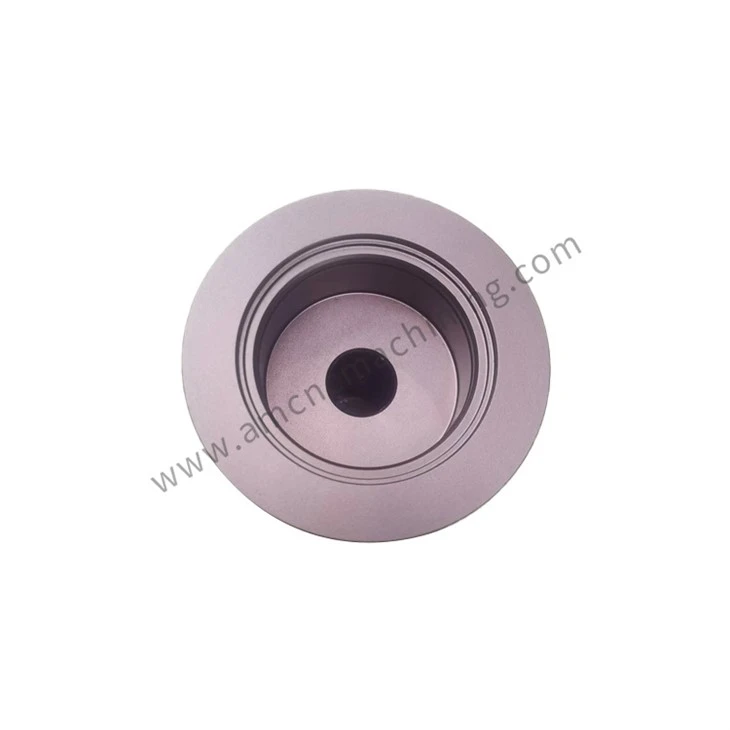
- CNC Component Services: This website offers a wide range of CNC component services, including milling, turning, and grinding. They also provide valuable information on CNC machining processes and best practices.
- Precision CNC Milling Machining: Here, you can find detailed information on precision CNC milling machining, including the latest technologies and techniques. They also offer custom machining services to meet your specific requirements.
- CNC Milling Machine Components: This resource provides an in-depth look at the different components of a CNC milling machine and how they work together. Understanding these components can help you optimize your machining process and reduce vibration.
Contact Us for More Information
If you have any questions or need further assistance with reducing vibration during CNC machining, don't hesitate to contact us. As a leading supplier of CNC mechanical parts, we have the expertise and experience to help you find the best solutions for your specific needs. Whether you're looking for high-quality tooling, precision machining services, or advice on optimizing your CNC machining process, we're here to help.
References
- Smith, J. (2020). CNC Machining Handbook. New York: McGraw-Hill.
- Jones, M. (2019). Vibration Analysis in CNC Machining. Journal of Manufacturing Engineering, 35(2), 45-52.
- Brown, R. (2018). Tooling Selection for CNC Machining. Manufacturing Technology Magazine, 22(3), 67-74.


