

How to choose the right tool coating for aluminum CNC milling?
As a supplier specializing in Aluminum For CNC Milling, I understand the critical role that tool coatings play in achieving optimal results during the machining process. Selecting the appropriate tool coating can significantly enhance tool life, improve surface finish, and increase machining efficiency. In this blog post, I will share some insights on how to choose the right tool coating for aluminum CNC milling.
Understanding the Basics of Tool Coatings
Tool coatings are thin layers of material applied to the surface of cutting tools to improve their performance. They can provide several benefits, including reduced friction, increased hardness, improved wear resistance, and enhanced heat resistance. When it comes to aluminum CNC milling, the choice of tool coating depends on various factors, such as the type of aluminum alloy, the machining operation, and the desired surface finish.
Factors to Consider When Choosing a Tool Coating
- Aluminum Alloy Type
Different aluminum alloys have different properties, such as hardness, ductility, and machinability. For example, high-silicon aluminum alloys are more abrasive and can cause rapid tool wear, while pure aluminum is relatively soft and easier to machine. Therefore, the tool coating should be selected based on the specific aluminum alloy being machined. Coatings with high hardness and wear resistance, such as titanium nitride (TiN) or titanium aluminum nitride (TiAlN), are suitable for machining high-silicon aluminum alloys, while coatings with good lubricity, such as diamond-like carbon (DLC), can be used for machining pure aluminum. - Machining Operation
The type of machining operation also affects the choice of tool coating. For example, roughing operations require tool coatings that can withstand high cutting forces and remove material quickly, while finishing operations require coatings that can provide a smooth surface finish. In roughing operations, coatings with high hardness and toughness, such as TiAlN or aluminum chromium nitride (AlCrN), are preferred. In finishing operations, coatings with low friction and good surface finish, such as DLC or titanium carbonitride (TiCN), are more suitable. - Desired Surface Finish
The desired surface finish is another important factor to consider when choosing a tool coating. If a high-quality surface finish is required, a coating with low friction and good lubricity should be selected. DLC coatings are known for their excellent surface finish and low friction coefficient, making them a popular choice for finishing operations. On the other hand, if the surface finish requirements are not very high, a more wear-resistant coating, such as TiN or TiAlN, can be used. - Cutting Parameters
The cutting parameters, such as cutting speed, feed rate, and depth of cut, also influence the choice of tool coating. Higher cutting speeds and feed rates generate more heat and require tool coatings with good heat resistance. Coatings with high thermal stability, such as TiAlN or AlCrN, can withstand high temperatures and prevent tool wear. Additionally, the depth of cut affects the cutting forces and the amount of material removed, so the tool coating should be able to handle the specific cutting conditions. - Cost
Cost is always a consideration when choosing a tool coating. Different coatings have different costs, and the choice should be based on the budget and the expected return on investment. While some high-performance coatings may be more expensive, they can provide longer tool life and better machining results, which can ultimately lead to cost savings in the long run.
Common Tool Coatings for Aluminum CNC Milling
- Titanium Nitride (TiN)
TiN is one of the most commonly used tool coatings for aluminum CNC milling. It has a golden color and provides good wear resistance and hardness. TiN coatings are relatively inexpensive and can improve tool life and surface finish. However, they are not suitable for high-speed machining or machining high-silicon aluminum alloys, as they have limited heat resistance. - Titanium Aluminum Nitride (TiAlN)
TiAlN coatings are an improvement over TiN coatings, offering higher hardness, better wear resistance, and improved heat resistance. They are suitable for high-speed machining and machining high-silicon aluminum alloys. TiAlN coatings can withstand higher temperatures without losing their hardness, making them ideal for demanding machining applications. - Aluminum Chromium Nitride (AlCrN)
AlCrN coatings are known for their excellent oxidation resistance and high-temperature performance. They are suitable for machining difficult-to-cut materials, such as high-silicon aluminum alloys and titanium alloys. AlCrN coatings can provide longer tool life and better surface finish compared to TiN and TiAlN coatings. - Diamond-Like Carbon (DLC)
DLC coatings have a low friction coefficient and excellent surface finish. They are suitable for finishing operations and machining soft materials, such as pure aluminum. DLC coatings can reduce tool wear and improve the surface quality of the machined parts. However, they are relatively expensive and may not be suitable for high-speed machining or heavy cutting operations. - Titanium Carbonitride (TiCN)
TiCN coatings offer a combination of high hardness, good wear resistance, and low friction. They are suitable for both roughing and finishing operations and can provide a good balance between tool life and surface finish. TiCN coatings are often used in general-purpose machining applications.
Conclusion
Choosing the right tool coating for aluminum CNC milling is crucial for achieving optimal machining results. By considering factors such as the aluminum alloy type, machining operation, desired surface finish, cutting parameters, and cost, you can select the most suitable tool coating for your specific application. As a supplier of Aluminum For CNC Milling, I recommend consulting with a tooling expert or conducting trials to determine the best tool coating for your needs.
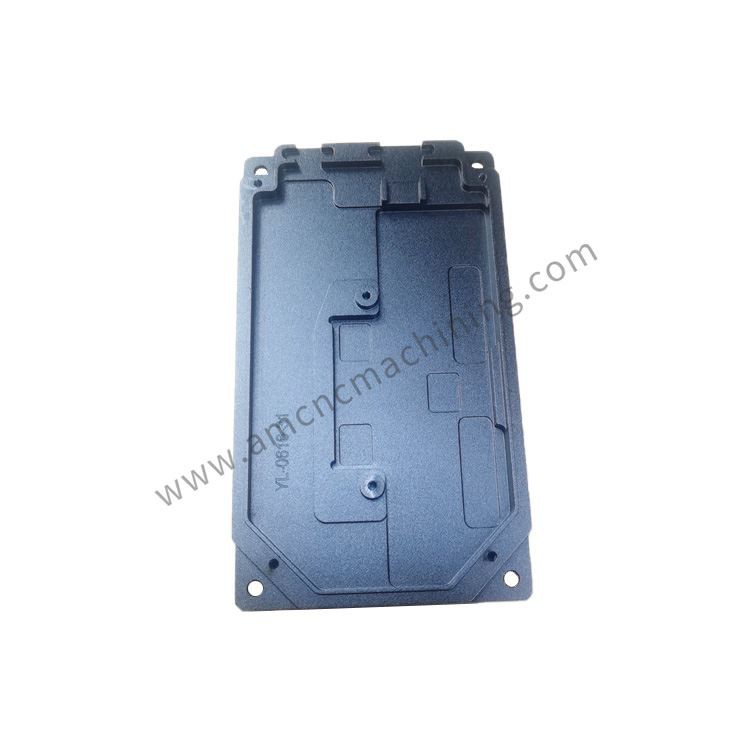

If you are interested in our Aluminum CNC Milling Service or CNC Precision Milling, please feel free to contact us for more information and to discuss your specific requirements. We are committed to providing high-quality products and services to meet your needs.
References
- Kalpakjian, S., & Schmid, S. R. (2013). Manufacturing Engineering and Technology. Pearson.
- Trent, E. M., & Wright, P. K. (2000). Metal Cutting. Butterworth-Heinemann.
- ASM Handbook, Volume 16: Machining. ASM International.


