

As a provider of CNC Milled Parts Service, I firmly believe that continuous improvement is the cornerstone of success in this industry. In this blog, I'll share the process we've developed to ensure that our service gets better with each project.
Understanding the Basics
First off, let's talk about what CNC milling is. It's a manufacturing process where a computer numerical control (CNC) machine uses rotary cutters to remove material from a workpiece. This process is super precise and can create complex shapes that would be nearly impossible to achieve manually. We offer a wide range of services, including Metal Milling Service, which is great for creating parts from various metals.
Initial Assessment
The continuous improvement process starts right at the beginning of a project. When a client comes to us with a request, we don't just jump into production. We sit down with them to understand their needs thoroughly. What are the specifications of the part? What's the intended use? Are there any specific quality standards they need to meet?
We also take a look at our past projects. Have we made similar parts before? What were the challenges we faced, and how did we overcome them? This helps us identify any potential issues early on and come up with solutions in advance.
Setting Clear Goals
Once we have a good understanding of the project, we set clear goals. These goals are specific, measurable, achievable, relevant, and time-bound (SMART). For example, we might aim to reduce the production time of a particular part by 10% while maintaining or improving its quality.

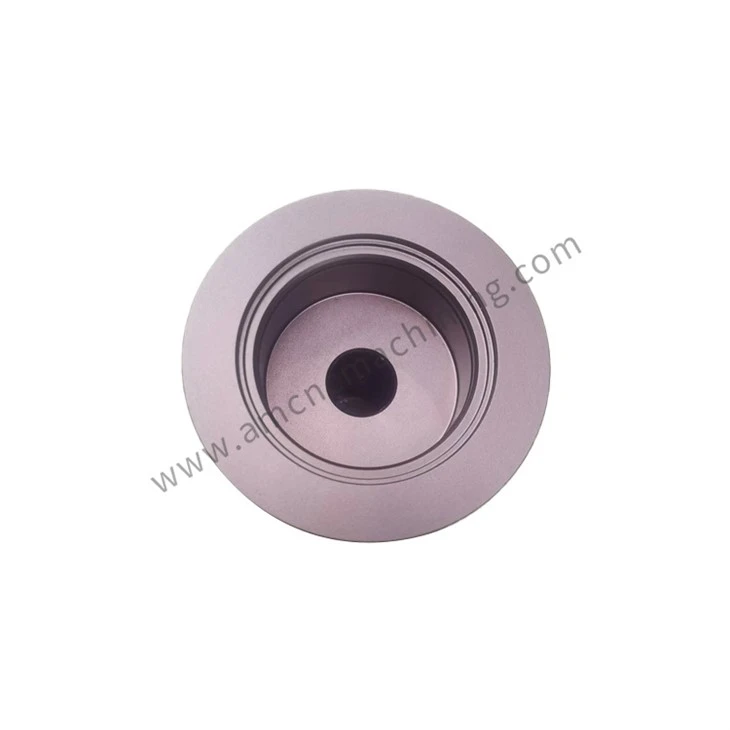
We also set quality goals. We use industry standards and client requirements to define what a high-quality part looks like. This could include things like dimensional accuracy, surface finish, and material properties.
Process Mapping
To achieve our goals, we need to have a clear understanding of our processes. That's where process mapping comes in. We map out every step of the CNC milling process, from the initial design to the final inspection. This helps us identify any bottlenecks, inefficiencies, or areas where errors are likely to occur.
For instance, we might notice that a particular step in the machining process takes longer than it should. By analyzing the process map, we can figure out why this is happening and come up with ways to streamline it. Maybe we need to upgrade our equipment, change our cutting tools, or adjust our machining parameters.
Employee Training and Development
Our employees are the heart of our business, and their skills and knowledge are crucial to our success. That's why we invest in their training and development. We provide regular training sessions on the latest CNC milling techniques, software, and equipment.
We also encourage our employees to share their ideas and experiences. They're the ones on the front lines, so they often have valuable insights into how we can improve our processes. By creating a culture of continuous learning and innovation, we can ensure that our team is always up-to-date with the latest industry trends.
Implementing Changes
Once we've identified areas for improvement, it's time to implement changes. This could involve anything from making small adjustments to our machining parameters to completely overhauling our production process.
We always test any changes on a small scale first. This allows us to see how they affect the quality and efficiency of our production without risking a large batch of parts. If the changes are successful, we gradually roll them out across our entire operation.
Monitoring and Evaluation
After implementing changes, we need to monitor and evaluate their effectiveness. We use a variety of tools and metrics to track our progress. For example, we might measure the production time, scrap rate, and customer satisfaction.
We also conduct regular audits and inspections. This helps us ensure that our processes are still in line with our quality standards and that any changes we've made are having the desired effect. If we find that a particular change isn't working as expected, we go back to the drawing board and come up with a new solution.
Supplier Management
Our suppliers play a crucial role in our CNC milling service. The quality of the materials they provide can have a big impact on the quality of our parts. That's why we have a strict supplier management process.
We carefully select our suppliers based on their reputation, quality control measures, and pricing. We also work closely with them to ensure that they understand our requirements and can meet our deadlines.
We regularly evaluate our suppliers' performance. If a supplier isn't meeting our expectations, we either work with them to improve or find a new supplier.
Customer Feedback
Customer feedback is one of the most valuable sources of information for continuous improvement. We encourage our customers to share their thoughts and experiences with us. This could be through surveys, reviews, or direct communication.
We take all feedback seriously, whether it's positive or negative. Positive feedback helps us identify what we're doing right, while negative feedback gives us an opportunity to improve. For example, if a customer complains about the surface finish of a part, we can investigate the issue and take steps to improve it.
Continuous Learning and Adaptation
The CNC milling industry is constantly evolving, with new technologies, materials, and techniques emerging all the time. That's why we're committed to continuous learning and adaptation.
We stay up-to-date with the latest industry news and research. We attend trade shows, conferences, and seminars to learn about the latest trends and innovations. We also collaborate with other companies and experts in the field to share knowledge and ideas.
By continuously learning and adapting, we can ensure that our CNC Milled Parts Service remains competitive in the market.
Conclusion
In conclusion, having a process for continuous improvement is essential for any CNC Milled Parts Service provider. By following the steps outlined above, we can improve the quality of our parts, reduce our production costs, and increase customer satisfaction.
If you're in the market for high-quality CNC Milling Machine Components or CNC Milling Machine Parts, we'd love to hear from you. Whether you have a specific project in mind or just want to learn more about our services, feel free to reach out. We're always happy to discuss your needs and see how we can help.
References
- "CNC Milling Handbook" by John Doe
- "Continuous Improvement in Manufacturing" by Jane Smith
- Industry reports from leading manufacturing associations


