

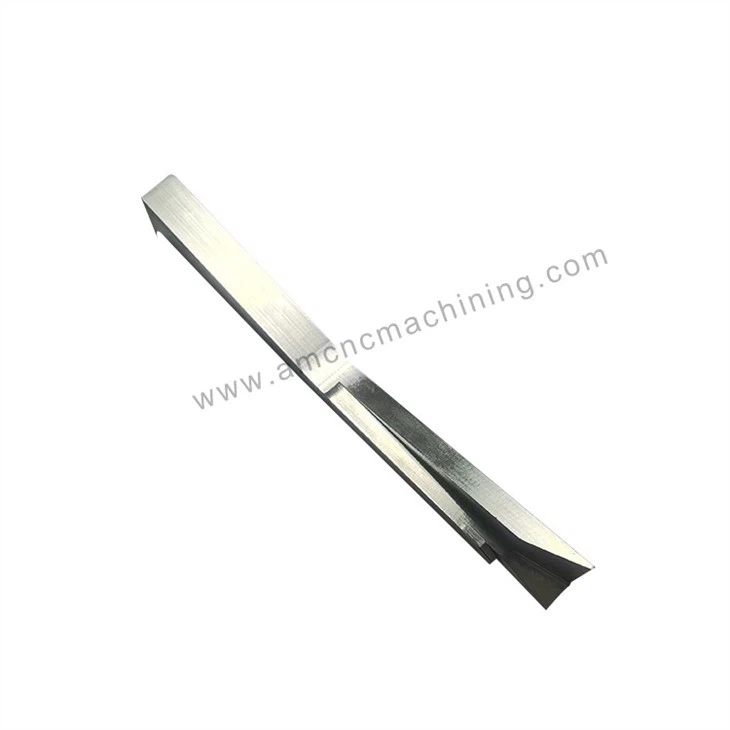
What is High Speed Aluminum Milling
High-speed aluminum milling refers to the advanced machining process that involves rapidly removing material from aluminum workpieces using cutting-edge milling technology. This technique leverages high spindle speeds and cutting rates, often facilitated by computer numerical control (cnc) machines. The primary objective of high-speed aluminum milling is to achieve efficient material removal while maintaining precision and surface finish.
Advantages of High Speed Aluminum Milling
Rapid material removal
High-speed aluminum milling excels in swiftly removing material from aluminum workpieces. The elevated spindle speeds and cutting rates allow for efficient metal removal, reducing machining time significantly.
Enhanced surface finish
The precision and speed of high-speed aluminum milling contribute to superior surface finishes on the machined components. The reduced cutting forces and optimized toolpaths result in smoother surfaces, minimizing the need for secondary finishing operations.
Extended tool life
Despite the rapid machining speeds, high-speed aluminum milling can extend the tool life. The optimized toolpaths, cutting strategies, and use of specialized cutting tools contribute to reduced tool wear and prolonged tool longevity.
Precision and tight tolerances
High-speed milling maintains a high level of precision, enabling the production of components with tight tolerances. The combination of advanced cnc technology, high spindle speeds, and accurate tool movements ensures that intricate details and complex geometries are machined with exceptional accuracy.


why choose us
High quality
Our products are manufactured or executed to very high standards, using the finest materials and manufacturing processes.
Rich experience
Dedicated to strict quality control and attentive customer service, our experienced staff is always available to discuss your requirements and ensure complete customer satisfaction.
Quality control
We have professional personnel to monitor the production process, inspect the products and ensure that the final product meets the required quality level standards, guidelines and specifications.
24h online service
We try and respond to all concerns within 24 hours and our teams are always at your disposal in case of any emergencies.
Machine tool
High-speed cnc milling machine: Equipped with a robust and precise spindle capable of high rotational speeds to accommodate the requirements of high-speed machining.
Cutting tools
End mills: Specialized high-speed end mills with coatings designed for aluminum machining, often made of carbide for durability.
Tool geometry: Tools with specific geometries, such as high helix angles and sharp edges, for effective chip evacuation and reduced cutting forces.
Coolant systems
High-pressure coolant (hpc): To manage heat generated during high-speed milling, ensuring proper cooling of the cutting tool and workpiece.
Mist and flood coolant: Depending on the application, mist or flood coolant systems may be used to improve tool life and surface finish.
Workholding devices
Precision vises or clamps: Securely hold the aluminum workpiece in place, minimizing vibration and ensuring accurate milling.
Toolholders
High-speed spindle toolholders: Designed to accommodate the high rotational speeds required for aluminum machining while maintaining stability.
Controller and software
Cnc controller: Precise control of the machine's movements, allowing for accurate and rapid toolpath execution.
Cam software: Utilized for creating efficient toolpaths, considering the geometry of the part and optimizing cutting strategies for high-speed milling.
Spindle speed and feed rate control
Variable speed spindle: Allows for adjusting the spindle speed to achieve optimal cutting conditions for aluminum.
Adaptive control systems: Systems that can dynamically adjust spindle speed and feed rates based on real-time conditions, improving efficiency and tool life.
Material handling and chip evacuation
Efficient chip evacuation systems: Ensure that aluminum chips are effectively removed from the cutting area to prevent recutting and maintain machining efficiency.
Tool monitoring systems
Vibration and temperature sensors: Monitor cutting tool conditions to detect signs of wear or potential issues, allowing for timely tool changes and reducing downtime.
Quality control systems
Measurement devices: Employed to verify the accuracy and quality of machined aluminum components during and after the milling process.
Successful high-speed aluminum milling requires the integration and optimization of these components to achieve high productivity, precision, and tool life while minimizing the risk of tool breakage or workpiece deformation.
How to Improve the Efficiency of the High Speed Aluminum Milling
Cutting parameters optimization
Adjust spindle speed, feed rates, and depth of cut for optimal cutting conditions. Use high spindle speeds and light cuts for efficient material removal.
Implement adaptive control systems that dynamically adjust cutting parameters based on real-time conditions, ensuring optimal efficiency.
Tool selection and maintenance
Choose high-performance carbide end mills with coatings specifically designed for aluminum machining.
Implement a regular tool inspection and maintenance program to detect signs of wear or damage early, preventing tool failure and ensuring consistent performance.
Coolant management
Use high-pressure coolant systems to efficiently dissipate heat and extend tool life.
Optimize coolant delivery to the cutting zone to improve chip evacuation and reduce thermal effects on the workpiece.
Toolpath optimization
Utilize advanced cam software to generate optimized toolpaths, considering the part geometry and minimizing unnecessary tool movements.
Implement high-efficiency machining strategies, such as trochoidal milling, to maintain constant tool engagement and reduce cutting forces.
Workpiece fixturing and stability
Ensure secure and stable workpiece fixturing to minimize vibrations and enhance machining accuracy.
Consider using advanced workholding solutions, such as vacuum tables or magnetic clamping, to improve part stability.
Spindle and machine rigidity
Invest in high-speed cnc milling machines with rigid structures to minimize vibrations and maintain accuracy at high spindle speeds.
Optimize the machine setup to reduce any sources of dynamic instability.
Toolpath simulation and verification
Simulate toolpaths using cam software to identify potential issues before actual machining.
Implement in-process toolpath verification to detect collisions, ensure accuracy, and prevent errors.
Tool monitoring systems
Employ vibration and temperature sensors to monitor tool conditions and detect signs of tool wear or breakage.
Implement tool life management systems that automatically adjust cutting parameters or prompt tool changes based on real-time data.
Material handling and chip evacuation
Optimize chip evacuation systems to prevent chip buildup and recutting, ensuring smooth machining operations.
Implement effective chip management strategies to maintain a clean cutting environment.
The Production Process of High Speed Aluminum Milling
Design and cad modeling
Begin with the design of the aluminum component using computer-aided design (cad) software.
Define the geometry, dimensions, and specifications of the part.
Cam programming
Convert the cad model into machine-readable instructions using computer-aided manufacturing (cam) software.
Generate optimized toolpaths considering cutting strategies, tool selection, and machining parameters.
Tool selection and setup
Choose appropriate high-speed aluminum milling tools, such as carbide end mills with specialized coatings.
Set up the cnc milling machine, ensuring proper alignment, fixture placement, and toolholder installation.
Workpiece fixturing
Secure the aluminum workpiece on the milling machine using precision vices, clamps, or specialized workholding devices.
Ensure the workpiece is firmly positioned to minimize vibrations and maintain accuracy during machining.
Coolant system setup
Configure the coolant system, including high-pressure coolant delivery, to manage heat generated during high-speed milling.
Ensure proper coolant flow to the cutting zone for effective chip evacuation and cooling.
Machine calibration
Calibrate the cnc milling machine, including spindle speed, feed rates, and tool offsets, based on the requirements of the specific aluminum material and cutting tools.
Initial test runs
Conduct initial test runs to verify toolpaths, check for any issues, and optimize cutting parameters.
Use these test runs to make any necessary adjustments to the program or machine setup.
High-speed aluminum milling
Execute the optimized cam program on the cnc milling machine to perform high-speed aluminum milling.
Monitor the machining process for any signs of tool wear, overheating, or other issues.
Tool monitoring and maintenance
Implement tool monitoring systems to track tool conditions, including vibration and temperature.
Conduct regular tool inspections and maintenance to replace worn tools and prevent tool failures.
Quality control
Inspect machined parts during and after the milling process to ensure dimensional accuracy and surface finish.
Utilize measurement devices and quality control procedures to verify that the finished parts meet specifications.
Deburring and finishing
Remove any burrs or sharp edges from the machined parts through deburring processes.
Consider additional finishing operations, such as polishing or anodizing, if required.
Throughout the production process, continuous monitoring, adjustment, and quality control measures are essential to ensure the efficiency and accuracy of high-speed aluminum milling. Each step is interconnected, and a well-coordinated process is crucial for successful and optimized production.
Application of High Speed Aluminum Milling
High-speed aluminum milling is widely used in aerospace for machining components such as aircraft structural parts, wing components, and engine parts.
The lightweight nature of aluminum, combined with the need for precision and efficiency, makes it a preferred material for aerospace applications.
Aluminum is increasingly used in automotive manufacturing for components such as engine blocks, cylinder heads, and suspension parts.
High-speed milling is employed to machine these aluminum components with precision, helping to reduce vehicle weight and improve fuel efficiency.
Aluminum is used in the production of heat sinks, electronic enclosures, and other components in the electronics and electrical industries.
High-speed milling ensures accurate machining of these components, which are crucial for thermal management and overall performance.
High-speed aluminum milling is applied in mold and die making for industries like injection molding and die casting.
Aluminum molds are preferred for their thermal conductivity and ease of machining, and high-speed milling enables efficient production of intricate molds and dies.
Components in medical devices, such as frames for imaging equipment and prosthetic parts, are often made from aluminum.
High-speed milling allows for the precise and efficient machining of these medical components.
Aluminum is commonly used in the production of consumer electronics, including laptop casings, smartphone frames, and tablet components.
High-speed milling ensures the efficient production of these lightweight and aesthetically pleasing components.
Components in renewable energy systems, such as wind turbine parts and solar panel frames, are often made from aluminum.
High-speed aluminum milling is employed to manufacture these components with precision and efficiency.
High-speed milling is utilized in various general manufacturing applications where aluminum is a preferred material due to its lightweight and corrosion-resistant properties.
Prototyping of new designs and quick production of small batches are facilitated by high-speed aluminum milling.
Aluminum is used in the defense industry for manufacturing components such as lightweight vehicle parts, weapon systems, and structural elements.
High-speed milling allows for efficient production of these components while meeting stringent specifications.
Aluminum is used for producing tooling and dies in various industries.
High-speed milling is applied for the manufacturing of precision molds, tooling, and dies required in metal forming processes.
What You Should Know When Use High Speed Aluminum Milling
Understand the specific alloy and temper of the aluminum being machined, as different alloys have varying machining characteristics.
Consider the material properties, such as hardness and thermal conductivity, to adjust cutting parameters accordingly.
Choose high-quality carbide end mills designed for high-speed aluminum milling, with appropriate coatings to enhance tool life.
Select tools with specific geometries, such as high helix angles, for effective chip evacuation.
Optimize cutting parameters, including spindle speed, feed rates, and depth of cut, based on the material and tool specifications.
Ensure a balance between high spindle speeds and appropriate feed rates to avoid tool wear and overheating.
Use efficient coolant systems, including high-pressure coolant, to dissipate heat and improve chip evacuation.
Maintain proper coolant concentration and flow rates to prevent thermal issues during high-speed milling.
Secure the workpiece using stable and rigid fixturing to minimize vibrations.
Ensure the cnc milling machine is properly calibrated and rigid to handle the high rotational speeds and cutting forces.
Use advanced cam software to generate optimized toolpaths, considering the part geometry and minimizing tool engagement fluctuations.
Implement high-efficiency machining strategies, such as trochoidal milling, to maintain constant tool engagement.
Implement tool monitoring systems to detect signs of tool wear, overheating, or breakage during machining.
Conduct regular tool inspections and maintenance to replace worn tools promptly.
Optimize chip evacuation systems to prevent chip buildup and recutting, ensuring smooth machining operations.
Consider the use of chip breakers or other strategies to improve chip management.
Follow safety guidelines and wear appropriate personal protective equipment (ppe) when operating high-speed milling machines.
Be aware of potential hazards associated with high rotational speeds and cutting forces.
Implement in-process and post-process inspection procedures to ensure dimensional accuracy and surface finish.
Use measurement devices to verify that machined parts meet specifications.
Ensure that operators and programmers are trained in the specifics of high-speed aluminum milling.
Foster a culture of continuous learning and knowledge-sharing to enhance the expertise of the machining team.
Implement proper waste disposal practices for aluminum chips and coolant to comply with environmental regulations.
Consider the environmental impact of cutting fluids used in the machining process.
By addressing these considerations, manufacturers can maximize the benefits of high-speed aluminum milling, including increased productivity, improved efficiency, and the production of high-quality machined components. Regular monitoring, adjustments, and adherence to best practices contribute to successful and safe high-speed aluminum milling operations.
How to Maintain High Speed Aluminum Milling
Regular tool inspections
Establish a routine schedule for inspecting cutting tools. Check for signs of wear, chipping, or damage.
Replace worn or damaged tools promptly to maintain machining accuracy and prevent tool breakage.
Coolant system maintenance
Monitor coolant concentration and cleanliness regularly to ensure effective heat dissipation and chip evacuation.
Clean or replace coolant filters as needed to prevent clogging and maintain the efficiency of the coolant system.
Spindle and machine calibration
Periodically calibrate the cnc milling machine, including spindle speed, feed rates, and tool offsets.
Verify and adjust the machine's dynamic parameters to maintain accuracy and stability.
Toolholder inspection
Check toolholders for signs of wear or damage. Ensure proper seating and alignment of the tool in the holder.
Replace worn or damaged toolholders to prevent issues such as runout or vibration.
Machine rigidity and vibration control
Regularly inspect the machine's structural components for any signs of wear, misalignment, or damage.
Ensure that the machine's foundation and base are stable to minimize vibrations during high-speed milling.
Chip management
Implement effective chip evacuation systems to prevent chip buildup and recutting.
Clean and inspect chip conveyors, bins, and other chip management components regularly.
Coolant delivery system
Check for proper coolant delivery to the cutting zone. Clean nozzles and coolant lines to prevent blockages.
Ensure that high-pressure coolant systems are functioning correctly.
Machine lubrication
Follow the manufacturer's guidelines for machine lubrication schedules.
Regularly inspect and replenish lubricants in accordance with the machine's maintenance manual.
Machine environment
Keep the machining environment clean and free from debris. Regularly remove accumulated chips and swarf from the machine bed and surrounding areas.
Control temperature and humidity to minimize the impact on machining accuracy.
Tool monitoring systems
Implement and regularly check the functionality of tool monitoring systems, such as vibration and temperature sensors.
Adjust tool monitoring parameters as needed to ensure timely detection of tool wear or issues.
Operator training and awareness
Provide ongoing training for machine operators on best practices and maintenance procedures.
Encourage operators to report any unusual machine behavior or tool performance promptly.
By implementing these maintenance practices, manufacturers can extend the lifespan of high-speed aluminum milling equipment, minimize downtime, and ensure consistent and reliable machining performance. Regular inspections and proactive maintenance contribute to the overall efficiency and effectiveness of the machining process.
How Does the Hardness of Different Aluminum Alloys Impact the Milling Process


Tool wear and tool life:Harder aluminum alloys tend to cause more wear on cutting tools. High hardness can lead to increased tool abrasion and shorter tool life.
It's crucial to select cutting tools with appropriate coatings and hardness resistance to withstand the specific alloy's hardness.
Cutting forces:Harder aluminum alloys generally require higher cutting forces during milling.
Increased cutting forces can affect the overall stability of the machining process, potentially leading to vibrations and reduced accuracy.
Material removal rates:Milling harder aluminum alloys may result in lower material removal rates compared to softer alloys.
Achieving efficient material removal might require adjustments to cutting parameters such as spindle speed, feed rates, and depth of cut.
Surface finish:Harder aluminum alloys can pose challenges in achieving a smooth surface finish.
The increased cutting forces and potential for tool wear may affect the quality of the machined surface, necessitating additional finishing operations.
Coolant and lubrication requirements:Harder aluminum alloys generate more heat during milling, requiring effective coolant and lubrication systems to manage thermal issues.
Proper cooling helps in preventing tool overheating and extends tool life.
Tool selection:The hardness of the aluminum alloy influences the selection of cutting tools. Hard alloys may require tougher tools with enhanced wear resistance.
Consideration of tool geometry and coatings becomes crucial to address the specific challenges posed by the hardness of the alloy.
Machine rigidity:Milling harder aluminum alloys may necessitate a more rigid cnc milling machine to absorb the increased cutting forces.
Insufficient machine rigidity can lead to vibrations and decreased machining accuracy.
Workpiece fixturing:Harder aluminum alloys may require more secure and stable workpiece fixturing to minimize vibrations.
Proper workholding ensures consistent and accurate machining results.
Machining strategies:The hardness of the alloy influences the choice of machining strategies. For hard alloys, using trochoidal milling or other high-efficiency strategies may be beneficial.
Adapting the machining approach helps in achieving optimal results for different hardness levels.
Machinability ratings:The machinability rating of an aluminum alloy, considering factors like hardness, chip formation, and tool wear, is important in selecting appropriate machining parameters.
What Role Does Spindle Speed Play in Achieving Efficient Material Removal During Aluminum Milling

Cutting speed relationship
Spindle speed directly determines the cutting speed, which is the linear speed of the cutting tool's edge as it engages with the workpiece.
Higher spindle speeds result in higher cutting speeds, influencing the rate at which material is removed during milling.
Chip formation and evacuation
Spindle speed affects the formation and evacuation of chips. Higher speeds can lead to smaller and more manageable chips in aluminum milling.
Efficient chip evacuation helps prevent chip recutting, reduces heat generation, and contributes to improved tool life and surface finish.
Material removal rate
Spindle speed is a critical factor in determining the material removal rate, which is the volume of material removed per unit of time.
Optimal spindle speeds are selected to achieve the desired material removal rate while maintaining tool life and workpiece quality.
Tool engagement and feed rates
Spindle speed, along with feed rates, influences the tool engagement with the workpiece.
Adjusting spindle speed allows for optimal control of the tool's engagement with the material, ensuring efficient cutting and minimizing tool wear.
Heat generation and thermal management
Spindle speed affects the amount of heat generated during milling. Higher speeds generate more heat due to increased friction between the tool and the workpiece.
Proper spindle speed selection, along with effective coolant systems, helps manage heat and prevents thermal issues during aluminum milling.
Tool life and wear
The choice of spindle speed impacts the wear and tool life. Optimal speeds help balance cutting forces, reducing tool wear and extending tool life.
Too high or too low spindle speeds can result in premature tool failure or inefficient material removal.

Vibration and machining stability
Spindle speed influences the dynamic stability of the machining process. High spindle speeds can lead to increased vibration if not well-controlled.
Maintaining a balance between spindle speed, cutting forces, and machine rigidity is essential for stable and efficient aluminum milling.
Surface finish
Spindle speed plays a role in achieving the desired surface finish. Higher speeds can contribute to smoother surface finishes, provided other parameters are optimized.
Fine-tuning spindle speed helps meet surface finish requirements without compromising efficiency.
Adaptive machining
In high-speed aluminum milling, adaptive machining strategies may involve dynamically adjusting spindle speed based on real-time conditions.
Adaptive control systems help optimize cutting parameters and maintain efficiency throughout the milling process.
Machining efficiency
Overall, spindle speed is a critical factor in determining the overall machining efficiency in terms of cycle time, tool life, and the quality of the machined part.
The key advantages of cnc technology in the manufacturing process include high precision, repeatability, flexibility, and the ability to produce complex parts with minimal human intervention. Cnc machines are widely used in various industries, contributing to efficient and cost-effective manufacturing processes.
How Can Cutting Forces be Minimized During High-Speed Aluminum Milling
Optimal cutting parameters:Determine and implement the optimal cutting parameters, including spindle speed, feed rates, and depth of cut.
Balancing these parameters helps avoid excessive forces while maintaining an efficient material removal rate.
High helix and variable helix tools:Use end mills with high helix angles or variable helix angles. These tool designs help reduce radial cutting forces and improve chip evacuation.
Chipbreaker geometry:Employ end mills with chipbreaker geometry. Chipbreakers help control chip formation, reduce cutting forces, and improve chip evacuation.
Trochoidal milling:Implement trochoidal milling strategies, such as using circular toolpaths. This technique maintains a consistent and controlled tool engagement, minimizing cutting forces.
Axial depth of cut strategies:Consider using smaller axial depth of cut strategies. Smaller depths of cut distribute cutting forces more evenly, reducing the overall force on the tool and workpiece.
Radial engagement control:Optimize radial engagement by adjusting the width of cut. Smaller radial engagements help in reducing radial forces while still achieving efficient material removal.
Tool coatings and materials:Select cutting tools with appropriate coatings and materials. Advanced coatings, such as tialn or altin, reduce friction, heat, and cutting forces.
Choose carbide tools for their hardness and wear resistance.
Tool geometry:Optimize tool geometry, such as the rake angle and relief angle, to minimize cutting forces and improve tool performance.
Consider using tools with a higher number of flutes for improved stability.
High-pressure coolant:Use high-pressure coolant systems to effectively cool the cutting zone. Cooler machining conditions can reduce friction and cutting forces.
Proper cooling also helps in preventing built-up edge and extending tool life.
Vibration damping:Incorporate vibration-damping technologies in the machining setup. Stabilizing the tool and workpiece reduces the likelihood of vibrations and associated cutting force fluctuations.
Adaptive control systems:Employ adaptive control systems that dynamically adjust cutting parameters based on real-time conditions. These systems optimize tool engagement to minimize cutting forces.
Rigidity of machine and workholding:Ensure the cnc milling machine and workholding setups are rigid and stable. Increased rigidity minimizes vibrations and helps in controlling cutting forces.
Toolpath optimization:Optimize toolpaths using cam software to minimize sudden changes in direction and tool engagement. Smoother toolpaths contribute to reduced cutting forces.
Machining strategies:Explore advanced machining strategies, such as high-efficiency milling (hem), to minimize cutting forces and achieve efficient material removal.
Tool monitoring:Implement tool monitoring systems to detect signs of tool wear or breakage. Timely tool changes can prevent increased cutting forces due to a worn tool.
By implementing a combination of these strategies, machinists can effectively minimize cutting forces during high-speed aluminum milling, leading to improved efficiency, tool life, and surface finish. The selection and optimization of cutting parameters and tooling are particularly critical in achieving these objectives.
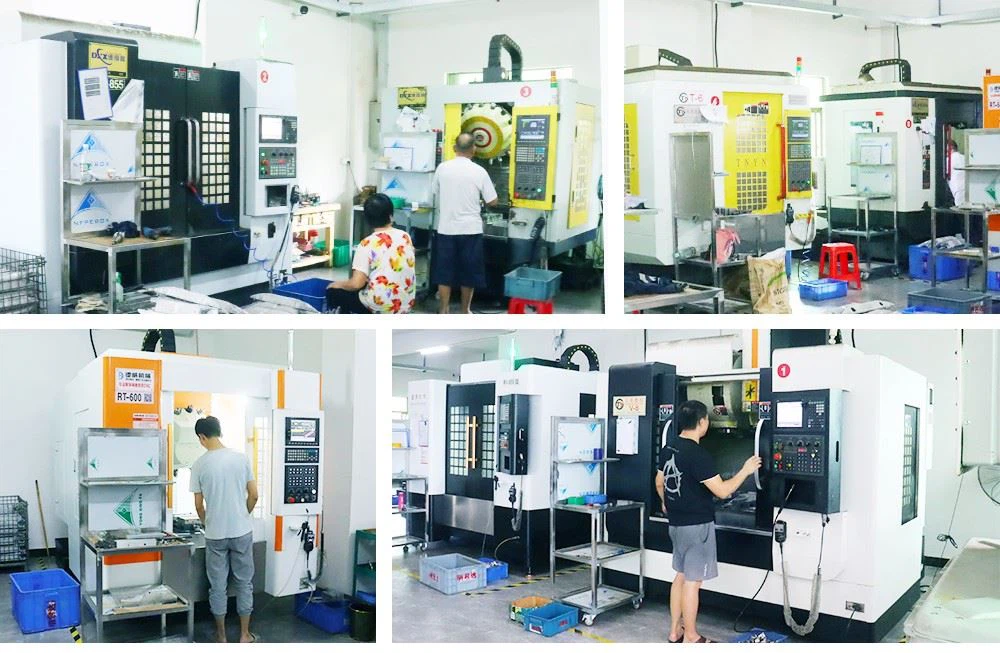
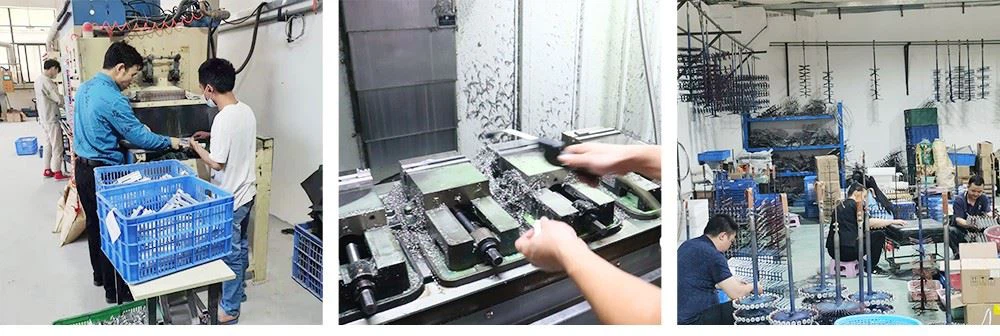
Our Factory
We were established in 2012. We specialize in manufacturing various metal parts according to customer requirements. Over the years, we have grown into a manufacturer of spare parts and metal parts, which are used in automobiles, furniture, electrical equipment, medical treatment, sanitary ware and construction.

FAQ
Q: Why is high-speed aluminum milling preferred in manufacturing processes?
Q: How does the hardness of aluminum alloys impact cutting forces during milling?
Q: What role does spindle speed play in aluminum milling?
Q: How can cutting tools be optimized for high-speed aluminum milling?
Q: What are the challenges associated with chip evacuation in aluminum milling?
Q: How does workpiece fixturing contribute to minimizing vibrations during milling?
Q: What strategies can be employed for optimal coolant and lubrication in aluminum milling?
Q: What are the considerations for selecting the right toolholder in high-speed aluminum milling?
Q: How can machinists optimize toolpath strategies for high-speed aluminum milling?
Q: What safety precautions should be taken when operating high-speed milling machines?
Q: What role does tool monitoring play in high-speed aluminum milling?
Q: How does the choice of cutting parameters impact the overall efficiency of aluminum milling?
Q: Can high-speed aluminum milling be applied to different industries?
Q: What are the environmental considerations in high-speed aluminum milling?
Q: How can machinists adapt to the challenges posed by different aluminum alloys?
Q: What role does machine rigidity play in the success of high-speed aluminum milling?
Q: What measures can be taken to enhance the skillset of operators in high-speed milling?
Q: How does adaptive machining contribute to efficiency in high-speed aluminum milling?
Q: What are the critical factors for achieving a smooth surface finish in aluminum milling?
Q: Why is in-process and post-process quality control essential in high-speed aluminum milling?
Hot Tags: high speed aluminum milling, China high speed aluminum milling manufacturers, suppliers, factory, cnc steel parts, CNC Machining Acrylic, CNC Milling Components, China CNC Machining Aluminum factory, CNC Machined Component factory, latest technology cnc machining services


