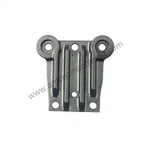
What is CNC Mechanical Parts
CNC mechanical parts refer to components produced through the application of Computer Numerical Control (CNC) machining techniques. This advanced manufacturing method involves automated precision tools guided by computer programs to shape and form raw materials into intricate mechanical parts. CNC machining is widely utilized in the production of components for various industries, ensuring high accuracy, repeatability, and efficiency. The versatility of CNC machining allows for the creation of complex shapes and designs, making it suitable for the manufacturing of gears, shafts, brackets, and other mechanical elements.
Advantages of CNC Mechanical Parts
Precision and accuracy
Cnc machining ensures exceptional precision and accuracy in the production of mechanical parts. The computer-guided tools follow programmed instructions with high consistency, resulting in tight tolerances and intricate details.
Versatility in materials
Cnc machining can work with a wide range of materials, including metals, plastics, and composites. This versatility allows for the creation of mechanical parts with diverse properties, such as strength, durability, and conductivity.
Complex geometry and customization
The capability of cnc machining to handle complex geometries and intricate designs is a significant advantage. This technology enables the production of customized mechanical parts tailored to specific requirements.
Efficiency and reproducibility
Cnc mechanical parts are manufactured with high efficiency and reproducibility. Once a program is developed for a specific part, the cnc machine can produce identical components repeatedly with minimal variation.


why choose us
High quality
Our products are manufactured or executed to very high standards, using the finest materials and manufacturing processes.
Rich experience
Dedicated to strict quality control and attentive customer service, our experienced staff is always available to discuss your requirements and ensure complete customer satisfaction.
Quality control
We have professional personnel to monitor the production process, inspect the products and ensure that the final product meets the required quality level standards, guidelines and specifications.
24h online service
We try and respond to all concerns within 24 hours and our teams are always at your disposal in case of any emergencies.
Control panel/console
The user interface where operators input commands, program the machine, and monitor its status.
Cnc controller
The brain of the cnc system that interprets the programmed instructions and converts them into electrical signals for the motors and actuators.
Drive system
Converts the electrical signals from the cnc controller into mechanical motion. It includes:
Motors: Stepper motors or servo motors that drive the movement of various machine components.
Drive amplifiers: Amplify the control signals to power the motors.
Axis system
The cnc machine operates along different axes (x, y, z for 3-axis machines), and each axis has its components:
Slide/rails: Guides that allow linear movement along an axis.
Lead screws/ballscrews: Convert rotational motion of the motor into linear motion.
Spindle (for milling machines) or chuck (for lathes)
Holds and rotates the cutting tool in milling machines or the workpiece in lathes.
Tool changer (for machining centers)
Automatically changes cutting tools during machining operations, improving efficiency.
Coolant system
Keeps the cutting tools and workpiece at the proper temperature and removes chips and debris.
Enclosure
Protects operators from debris, coolant, and the moving parts of the machine.
Workholding devices
Fixtures, clamps, chucks, or other devices that secure the workpiece in place during machining.
Table (for milling machines) or bed (for lathes)
Supports the workpiece and allows for its proper positioning.
Tool holders and tooling (for machining centers)
Devices that hold cutting tools securely and allow for quick tool changes.
Emergency stop (e-stop)
A safety feature that immediately halts the machine in case of an emergency.
Limit switches and sensors
Detect the position of various machine components and provide feedback to the cnc controller.
Coolant pump and filtration system
Pumps coolant through the system to maintain temperatures and filters out debris.
Power supply
Provides electrical power to the various components of the cnc machine.
Wiring and cable management
Ensures proper electrical connections and prevents interference or damage to cables.
Servo drives
Control the movement and positioning of the machine components with high precision.
Software
Cam (computer-aided manufacturing) software is used for creating the cnc program, while the cnc machine typically runs on a specific control software.
These components work together to enable cnc machines to execute precise and complex machining operations based on programmed instructions. The specific components can vary, and advanced cnc systems may include additional features for automation, monitoring, and data analysis.
How to Improve the Efficiency of the CNC Mechanical Parts
Optimize cnc programming
Use efficient cam software to generate toolpaths and optimize cutting strategies.
Minimize tool changes and tool travel distances.
Implement high-speed machining techniques where applicable.
Tool selection and management
Choose the right cutting tools for the job based on material and machining requirements.
Implement tool life management to monitor and replace tools at optimal intervals.
Use tool holders and presetting equipment to reduce setup time.
Workholding optimization
Utilize efficient and secure workholding devices to reduce setup time.
Implement quick-change systems for workpieces.
Optimize fixture and clamping strategies for multiple parts in a single setup.
Cutting parameters
Optimize cutting speeds, feeds, and depths of cut for each tool and material.
Implement adaptive machining strategies to maintain consistent cutting forces.
Adjust parameters based on real-time feedback from sensors or monitoring systems.
Cnc machine calibration
Regularly calibrate the cnc machine to ensure accuracy and repeatability.
Verify and adjust machine geometry to maintain precision.
Calibrate the tool-length measurement system for accuracy.
High-quality materials
Use high-quality raw materials to reduce tool wear and extend tool life.
Ensure consistent material properties for better predictability in machining.
Maintenance and lubrication
Implement a proactive maintenance schedule for cnc machines.
Regularly lubricate moving parts to reduce friction and wear.
Monitor and replace worn or damaged components promptly.
Toolpath optimization
Optimize toolpaths to minimize sharp changes in direction and reduce machine acceleration/deceleration times.
Implement trochoidal milling or adaptive roughing for efficient material removal.
Utilize automation
Implement robotic loading and unloading systems for continuous operation.
Use pallet changers to reduce downtime between machining cycles.
Integrate sensors for automatic tool and workpiece measurement.
Training and skill development
Ensure operators are well-trained in cnc programming and machine operation.
Encourage continuous learning and skill development for the cnc team.
Cross-train operators to handle multiple tasks and machines.
Process monitoring and control
Implement real-time monitoring systems to detect issues early.
Utilize data analytics to identify trends and areas for improvement.
Implement closed-loop feedback systems to make real-time adjustments.
Lean manufacturing principles
Apply lean principles to eliminate waste in the production process.
Optimize the flow of materials and information to reduce lead times.
Implement 5s practices for a clean and organized workspace.
Continuous improvement efforts, regular equipment maintenance, and a focus on optimizing every aspect of the cnc machining process contribute to increased efficiency and productivity in the production of mechanical parts.
The Production Process of CNC Mechanical Parts
Begin with the design of the mechanical part using computer-aided design (cad) software.
Specify the dimensions, tolerances, and other specifications.
Convert the design into a cad file, which contains the digital representation of the part.
The cad file serves as the input for the cnc machine.
Use computer-aided manufacturing (cam) software to generate toolpaths based on the cad file.
Determine the cutting tools, cutting speeds, and feed rates for each operation.
Choose the appropriate material for the mechanical part based on its intended use.
Common materials include metals (aluminum, steel), plastics, and composites.
Load the cnc machine with the selected material.
Install the required cutting tools in the machine's tool magazine.
Establish the workpiece coordinates by indicating the reference points on the material.
This step ensures that the cnc machine understands the location of the part in its coordinate system.
Transfer the cnc program generated by the cam software to the cnc machine's control unit.
Ensure all parameters and tool information are correctly set.
The cnc machine performs various operations such as milling, turning, drilling, or grinding based on the programmed toolpaths.
The cutting tools remove material in precise increments according to the design.
After the primary turning operations, additional processes such as threading, grooving, or parting may be performed. Secondary operations, including milling or drilling, may also be carried out on the same cnc turning machine or on complementary equipment.
Periodically measure the dimensions of the part using precision instruments to ensure it meets the design specifications.
Adjust the cnc program or tools as needed to maintain accuracy.
Perform additional finishing operations such as deburring, polishing, or coating to enhance the final appearance and functionality of the part.
Conduct final inspections and tests to ensure the mechanical part meets quality standards.
This may involve visual inspection, dimensional checks, and functional tests.
Package the finished cnc mechanical parts securely for transportation.
Ship the parts to the customer or the next stage of the manufacturing process.
Throughout the production process, cnc machines provide high precision, repeatability, and efficiency, making them suitable for a wide range of applications in various industries.
Application of CNC Mechanical Parts
Cnc parts are extensively used in the manufacturing of automotive components such as engine parts, transmission components, brake systems, and chassis parts.
Precision machining ensures tight tolerances and high-quality finishes for automotive applications.
Critical components in aircraft, spacecraft, and satellites are often produced using cnc machining.
Parts like engine components, structural elements, and control system parts require high precision and reliability.
Cnc machining is crucial in the production of medical devices and equipment, including surgical instruments, implants, and diagnostic tools.
The high precision of cnc machining is essential for meeting strict medical industry standards.
Cnc machining is used to produce components for electronic devices, including housings, connectors, and heat sinks.
The ability to work with various materials makes cnc machining suitable for electronic applications.
Cnc parts are utilized in the manufacturing of oil and gas equipment, such as valves, pumps, and drilling components.
These parts must withstand harsh environmental conditions, and cnc machining ensures high durability.
Cnc machining is employed in the production of military-grade components, such as weapon parts, vehicle components, and communication equipment.
The precision and reliability of cnc parts are critical in defense applications.
Cnc machining is widely used in the production of industrial machinery components, including gears, shafts, and housings.
Cnc parts contribute to the efficiency and reliability of industrial equipment.
Components for consumer electronics, such as smartphones, laptops, and cameras, are often manufactured using cnc machining.
Cnc technology allows for the production of intricate and small parts with high precision.
Cnc machining is fundamental in the manufacturing of molds, dies, and tooling used in various industries.
Tool and die makers rely on cnc technology for its accuracy and repeatability.
Cnc machining is widely used in rapid prototyping and custom manufacturing, allowing for the quick production of prototypes and one-off parts.
What You Should Know When Use CNC Mechanical Parts
Material selection
Choose the appropriate material for your application, considering factors such as strength, durability, thermal properties, and corrosion resistance.
Ensure that the selected material is compatible with cnc machining processes.
Design considerations
Design parts with manufacturability in mind, considering the capabilities and limitations of cnc machining.
Optimize designs for efficiency, minimizing complex geometries and tight tolerances where possible.
Tool selection
Select the right cutting tools for the specific material and machining operation.
Consider factors such as tool material, coating, and geometry to achieve the desired results.
Workholding
Securely hold the workpiece in place using appropriate fixtures and clamping mechanisms.
Adequate workholding is essential to prevent movement or vibrations during machining, ensuring accuracy.
Cnc programming
Generate efficient cnc programs using cam software, optimizing toolpaths for speed and accuracy.
Pay attention to tool changes, cutting speeds, and feed rates to maximize efficiency and tool life.
Quality control
Implement a robust quality control process, including in-process inspections and final checks.
Utilize precision measuring instruments to verify dimensions and ensure adherence to design specifications.
Coolant and lubrication
Use appropriate coolant and lubrication systems to dissipate heat and reduce friction during machining.
Proper cooling helps in extending tool life and improving the surface finish of the machined parts.
Tool maintenance
Regularly inspect and maintain cutting tools to ensure they are sharp and in good condition.
Replace worn or damaged tools promptly to avoid compromising the quality of the machined parts.
Safety precautions
Follow safety guidelines and protocols to ensure a safe working environment.
Wear appropriate personal protective equipment (ppe), such as safety glasses and hearing protection.
Documentation
Maintain comprehensive documentation of cnc programs, tool setups, and machining parameters.
This documentation aids in troubleshooting, replication, and continuous improvement.
Training and skill development
Ensure that operators and programmers have the necessary training and skills to operate cnc machines effectively.
Stay updated with advancements in cnc technology and machining techniques.
Environmental considerations
Consider the environmental impact of materials and processes, and adhere to regulations regarding waste disposal and recycling.
By paying attention to these considerations, manufacturers can optimize the use of cnc mechanical parts, ensuring high-quality output, minimizing errors, and promoting a safe and efficient machining environment.
How to Maintain CNC Mechanical Parts


How to Maintain CNC Mechanical Parts
Regular cleaning:Keep the cnc machine and its components clean from chips, debris, and coolant residue.
Regularly clean the work area, cutting tools, and the machine's surfaces using appropriate methods and tools.
Lubrication:Follow the manufacturer's recommendations for lubricating moving parts and critical components.
Check and replenish lubricants regularly to prevent wear and friction.
Inspect and replace filters:If your cnc machine uses coolant or oil-based systems, inspect and replace filters as recommended by the machine manufacturer.
Clean filters prevent contamination and maintain the efficiency of the cooling and lubrication systems.
Check and tighten fasteners:Regularly inspect all bolts, nuts, and screws for tightness.
Pay special attention to critical components and those exposed to vibrations during machining.
Monitor coolant levels:Check coolant levels and top up as needed.
Monitor the condition of the coolant and replace it at regular intervals to maintain optimal performance.
Inspect belts and chains:Inspect belts and chains for signs of wear, tension, or misalignment.
Adjust or replace belts and chains as necessary to maintain proper tension and alignment.
Calibration and alignment:Regularly check and calibrate the cnc machine to ensure it maintains accurate positioning and cutting dimensions.
Verify the alignment of the machine's axes according to the manufacturer's specifications.
Check electrical components:Inspect electrical components, such as wiring, connectors, and circuit boards, for any signs of damage or wear.
Ensure proper grounding to prevent electrical issues.
Monitor spindle performance:Regularly check the spindle for any unusual noises, vibrations, or runout.
Inspect the spindle bearings and replace them as needed.
Backup and update cnc programs:Regularly backup cnc programs and machine parameters to prevent data loss.
Update cnc programs and software as needed, keeping them in line with the latest revisions.
Operator training:Provide ongoing training to machine operators on proper cnc machine operation and maintenance procedures.
Encourage operators to report any unusual sounds, vibrations, or issues promptly.
Document maintenance activities:Maintain a detailed record of all maintenance activities, including dates, performed tasks, and any replacements or adjustments made.
Use this documentation for troubleshooting and to establish a preventive maintenance schedule.
By implementing a proactive and regular maintenance routine, manufacturers can minimize downtime, extend the lifespan of cnc mechanical parts, and ensure consistent and reliable performance. Regular inspections and preventive maintenance activities are key to avoiding costly repairs and maintaining the accuracy of cnc machines.
How Does CNC Technology Work in the Manufacturing Process

Designing the part
The process begins with the creation of a detailed digital design of the part using computer-aided design (cad) software.
Generating cnc program
The cad design is then translated into a set of instructions, known as g-code, that the cnc machine can understand.
G-code contains information about toolpaths, tool changes, cutting speeds, feed rates, and other parameters.
Loading the cnc program
The g-code program is loaded into the cnc machine's control unit, which interprets and executes the instructions.
The cnc machine operator may also set up additional parameters such as workpiece coordinates and tool offsets.
Material setup
The raw material, typically a metal, plastic, or composite, is loaded onto the cnc machine's worktable.
The workpiece is secured using clamps or fixtures to ensure stability during machining.
Tool setup
The appropriate cutting tools are selected based on the material and the machining operations required.
The tools are installed in the machine's tool magazine, and the cnc machine is equipped with the necessary tools for the job.
Workpiece coordinate setting
The operator establishes the workpiece coordinates, indicating reference points on the material to define its position within the machine's coordinate system.

Cnc machine operation
The cnc machine executes the g-code instructions, controlling the movement of the cutting tools along specified toolpaths.
The cutting tools remove material from the workpiece in precise increments, creating the desired shape and features.
Real-time monitoring
During the machining process, the cnc machine continuously monitors factors such as tool wear, tool temperature, and spindle speed.
Some cnc systems allow for real-time adjustments to optimize performance.

Quality control
Periodic inspections and measurements are conducted using precision instruments to ensure the machined part meets design specifications.
If deviations are detected, adjustments can be made to the cnc program or tool offsets.
Finishing operations
After the primary machining is complete, additional operations such as deburring, polishing, or coating may be performed to achieve the desired surface finish.
The key advantages of cnc technology in the manufacturing process include high precision, repeatability, flexibility, and the ability to produce complex parts with minimal human intervention. Cnc machines are widely used in various industries, contributing to efficient and cost-effective manufacturing processes.
What are the Common Materials Used in CNC Mechanical Parts
Metals
Aluminum: Lightweight, corrosion-resistant, and easy to machine. Commonly used in aerospace, automotive, and consumer electronics.
Steel (carbon and alloy): Offers high strength and durability. Used in a wide range of applications, including machinery, automotive components, and tooling.
Stainless steel: Resistant to corrosion, making it suitable for applications in harsh environments, such as food processing, medical devices, and marine components.
Brass: Known for its excellent machinability and corrosion resistance. Used in components requiring a decorative finish.
Plastics
Acrylic (pmma): Transparent and lightweight. Commonly used in applications such as signage, display cases, and prototypes.
Nylon: Durable, resistant to wear, and suitable for various applications, including gears, bushings, and structural components.
Delrin (polyoxymethylene - pom): Low friction and excellent dimensional stability. Used in precision parts like gears, bearings, and sliding components.
Polyethylene (pe) and polypropylene (pp): Lightweight and chemical-resistant. Used in applications such as containers, gears, and automotive components.
Alloys
Titanium: Known for its high strength-to-weight ratio and corrosion resistance. Commonly used in aerospace, medical implants, and high-performance components.
Copper alloys (bronze, brass): Good electrical conductivity. Used in electrical components, connectors, and decorative applications.
Composites
Carbon fiber reinforced polymers (cfrp): Lightweight and high strength. Used in aerospace, automotive, and sports equipment.
Fiberglass reinforced polymers (frp): Good strength-to-weight ratio. Used in automotive components, boat parts, and structural applications.
Ceramics
Alumina (aluminum oxide): Hard and wear-resistant. Used in cutting tools, bearings, and high-temperature applications.
Zirconia: Known for its toughness and resistance to wear. Used in medical implants, cutting tools, and industrial applications.
Exotic materials
Inconel: Heat and corrosion-resistant. Commonly used in aerospace, chemical processing, and high-temperature applications.
Hastelloy: Resistant to corrosion and high temperatures. Used in chemical processing and aerospace.
Products Description
Yes, cnc (computer numerical control) machines are versatile and capable of working with both metals and plastics. Cnc machining is a subtractive manufacturing process that involves cutting away material from a workpiece to create a desired shape. The ability of cnc machines to handle a wide range of materials, including metals and plastics, makes them highly adaptable to various industries and applications.
Metals: Cnc machines can work with a variety of metals, including aluminum, steel, stainless steel, brass, copper, titanium, and alloys.
Machining metals often involves the use of cutting tools made of high-speed steel or carbide due to the hardness of metal materials.
Common metal machining operations include milling, turning, drilling, and grinding.
Plastics: Cnc machines are well-suited for machining various types of plastics, such as acrylic (pmma), nylon, delrin (pom), polyethylene, polypropylene, and others.
Plastics generally have different machining characteristics than metals, and cnc machines may use specialized cutting tools designed for plastics.
Machining plastics involves considerations for heat generation, as excessive heat can affect the material's properties.
Tooling considerations: Tool selection is crucial for cnc machining, and the type of material being machined determines the choice of cutting tools.
For machining metals, tools made of carbide or high-speed steel are common due to the hardness of metal materials.
Machining plastics often requires tools with lower cutting speeds to prevent overheating and melting.
Coolant and lubrication: Cooling and lubrication are critical in metal machining to dissipate heat and prolong tool life.
For plastics, coolants may not always be necessary, but proper chip evacuation and minimal heat generation are essential to maintain part quality.
Material fixturing: Workholding strategies may vary between metals and plastics, as metals often require more robust fixturing due to their weight and hardness.
Plastics may require more delicate clamping to avoid distortion or damage.
The ability of cnc machines to work with both metals and plastics makes them widely used in industries such as aerospace, automotive, medical, electronics, and more. Cnc machining provides precision and flexibility, allowing manufacturers to produce a diverse range of components from various materials to meet specific application requirements.
What Factors Should be Considered When Selecting Materials for CNC Parts
Mechanical properties:Consider the required mechanical properties such as tensile strength, hardness, impact resistance, and elasticity.
Tailor the material choice to meet the specific load-bearing and structural requirements of the part.
Material compatibility:Ensure that the selected material is compatible with the cnc machining process and the cutting tools used.
Different materials may require specific tooling and machining parameters.
Environmental conditions:Evaluate the operating environment of the cnc parts, including temperature, humidity, exposure to chemicals, and corrosion potential.
Choose materials that can withstand environmental conditions to ensure longevity.
Weight requirements:Consider the weight limitations and requirements of the application.
Select materials with the appropriate strength-to-weight ratio to optimize performance.
Cost considerations:Factor in the cost of materials, including the raw material itself and additional costs associated with machining and finishing.
Balance performance requirements with budget constraints.
Machinability:Evaluate the machinability of the material, considering how easily it can be cut, drilled, and shaped using cnc machining processes.
Some materials may pose challenges in terms of tool wear or cutting forces.
Heat resistance:Determine whether the cnc parts will be exposed to high temperatures during operation.
Choose materials with adequate heat resistance to prevent deformation or degradation.
Electrical properties:Consider the electrical conductivity or insulating properties of the material, depending on the application.
Certain materials may be preferred for electrical or electronic components.
Surface finish requirements:Evaluate the desired surface finish of the cnc parts.
Some materials may require additional finishing processes to achieve the required aesthetics or functional characteristics.
Dimensional stability:Consider the dimensional stability of the material under different environmental conditions.
Some materials may be prone to expansion or contraction, impacting the precision of the machined part.
Availability and lead time:Ensure that the chosen material is readily available and has reasonable lead times.
Consider potential delays in production if the selected material is scarce or has long lead times.
Regulatory compliance:Verify that the chosen material complies with industry standards, regulations, and safety requirements.
Some applications, such as those in the medical or aerospace industries, may have specific material regulations.
Recyclability:Consider the environmental impact and recyclability of the material.
Sustainable and recyclable materials may align with corporate or industry sustainability goals.
By carefully considering these factors, manufacturers can make informed decisions when selecting materials for cnc parts, ensuring that the chosen material meets the specific needs of the application and results in a successful and cost-effective manufacturing process.
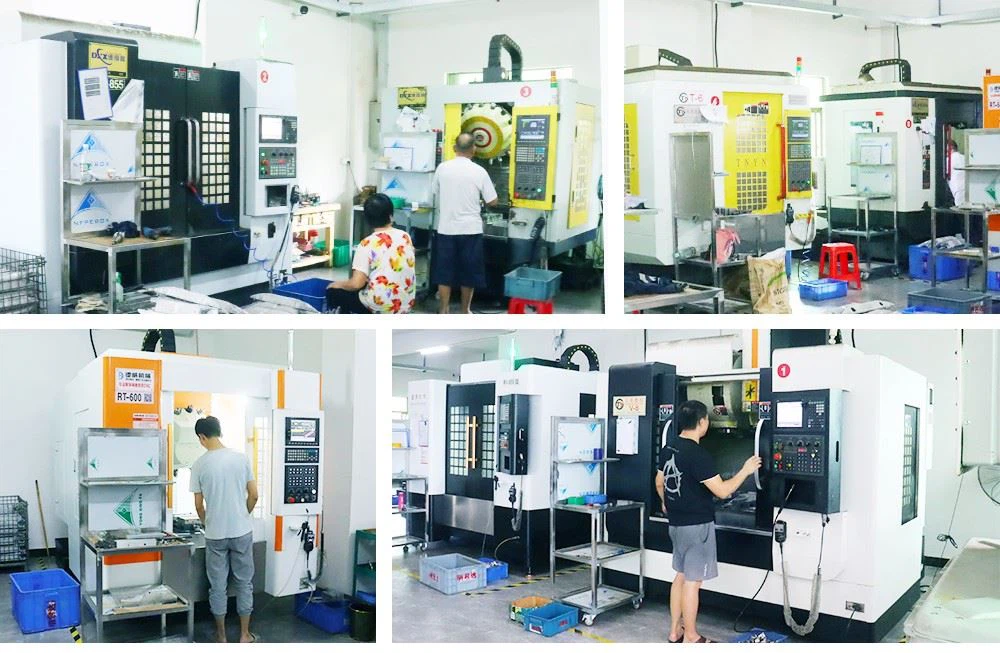
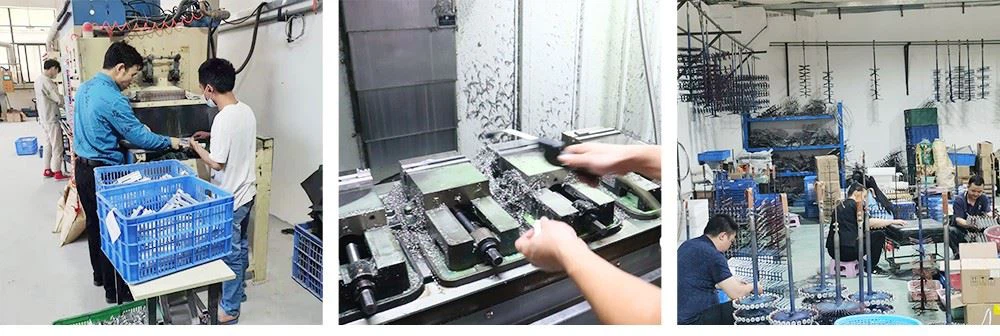
Our Factory
We were established in 2012. We specialize in manufacturing various metal parts according to customer requirements. Over the years, we have grown into a manufacturer of spare parts and metal parts, which are used in automobiles, furniture, electrical equipment, medical treatment, sanitary ware and construction.

FAQ
Q: What is cnc machining, and how does it work?
Q: What materials can cnc machines work with?
Q: How does material selection impact cnc part performance?
Q: What are the key considerations in designing parts for cnc machining?
Q: Can cnc machines produce both prototypes and production parts?
Q: How does cnc machining contribute to part precision?
Q: What are the primary advantages of using cnc mechanical parts?
Q: How does cnc technology contribute to cost-effective manufacturing?
Q: What safety precautions should be followed when working with cnc machines?
Q: How does tool maintenance impact cnc machining?
Q: Can cnc machines work with both metals and plastics in the same production run?
Q: How is cnc machining used in the automotive industry?
Q: What role does cam programming play in cnc machining?
Q: What are the environmental considerations in cnc manufacturing?
Q: How does cnc machining contribute to the aerospace industry?
Q: What is the importance of workpiece coordinate setting in cnc machining?
Q: Can cnc machines be used for rapid prototyping?
Q: How can cnc machining be applied to the medical device industry?
Q: What types of inspections are conducted during cnc machining?
Q: How can manufacturers ensure the quality control of cnc mechanical parts?
Hot Tags: cnc mechanical parts, China cnc mechanical parts manufacturers, suppliers, factory, Combined Precision Components manufacturers, CNC Milling Machining Process, CNC Machining Stainless Steel Service, main parts of cnc lathe machine, forged aluminum parts fabrication service, cnc laser cutting machine parts